UN General Assembly 2026: Dates, Speakers and What Is at Stake
The high-level general debate of the 81st UN General Assembly runs from Tuesday, September 22 to Monday, September 28, 2026 in New York, inside a High-Level Week stretching to September 29. Khalilur Rahman of Bangladesh presides over the session, under the theme "Restoring trust, managing transformation". Donald Trump and Emmanuel Macron speak on the opening day, Volodymyr Zelensky and Masoud Pezeshkian on Wednesday. It is the last General Assembly to open under António Guterres, whose term ends December 31. Sources: United Nations, UN News, CNN, NPR.
The context
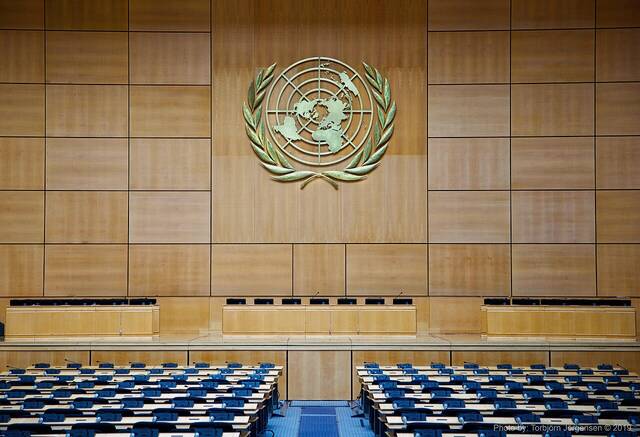
The general debate of the 81st UN General Assembly opens on Tuesday, September 22, 2026 and runs through Monday, September 28, inside a High-Level Week that continues to the 29th. The session formally began on September 8 under the presidency of Khalilur Rahman of Bangladesh, but this is the week that matters: the one where presidents and prime ministers from all 193 member states take the green marble podium in New York.
The chosen theme, “Restoring trust, managing transformation: A United Nations that delivers for all”, reads as an institution answering a charge. The UN enters this session facing pressure from governments that fund it and scepticism from populations it is meant to serve, and the agenda is arranged to show output: conflict and international security, climate change, pandemic preparedness, sea-level rise, and the Sustainable Development Goals, which are visibly behind schedule.
The opening day sets the tone. Secretary-General António Guterres speaks first, followed by US President Donald Trump, with French President Emmanuel Macron also among Tuesday’s headline speakers. Volodymyr Zelensky and Iranian President Masoud Pezeshkian follow on Wednesday. That last pairing is the week’s hardest edge: US strikes on Islamic Revolutionary Guard Corps targets, launched after attempted attacks on shipping in the Strait of Hormuz and on US forces in the region, mean Washington and Tehran will address the same hall within forty-eight hours of each other.
Beneath the speeches, the real work is a succession. Guterres’s second and final term ends on December 31, 2026, making this the last General Assembly to open under him, and the contest to replace him is the item consuming most of the corridor diplomacy. The Security Council has already run three informal straw polls on a field of candidates drawn from Latin America, the Caribbean and Africa, and the Assembly will ultimately make the formal appointment on the Council’s recommendation.
It is worth keeping the Assembly’s limits in view. Its resolutions are not legally binding, unlike the Security Council’s, and no speech delivered this week compels any government to do anything. What the General Assembly offers is different and not worthless: the only annual occasion where every state, large or small, addresses the same audience on equal footing, and the densest concentration of bilateral meetings in the diplomatic calendar. The full debate streams live and free on UN Web TV in all six official languages. Sources: United Nations, UN News, CNN, NPR, ABC News.