datastats / SIGNAL
enfresde
LIVE
← ALL SIGNALS
datastats / Money
Money ▲ Rising Trend score 60 · Published October 28, 2026 · Updated October 28, 2026

IG Metall Pay Talks 2026: Germany's Metalworkers Reject Offer, Warning Strikes From November 1

In the 2026 pay round for Germany's metal and electrical industry, IG Metall wants 5% more pay over 12 months for more than 3.7 million workers. On October 27, employers made their first offer: a 1% one-off payment in July 2027 for sufficiently profitable firms and a 1.3% raise from July 2028, over 26 months. The union rejected it. The peace obligation ends at midnight on October 31, so warning strikes are possible from November 1. Sources: IG Metall, dpa, Handelsblatt, Stuttgarter Zeitung.
By · datastats
INTEREST INDEX
60 +10% · 24h
IG Metall Pay Talks 2026: Germany's Metalworkers Reject Offer, Warning Strikes From November 1
dontworry · CC BY-SA 3.0
30-DAY PEAK
67
modeled window
90-DAY AVG
34
trending up
TREND SCORE
60
+10% · 24h
TRACKED QUESTIONS
9
from public queries
INTEREST OVER TIME
Momentum trajectory
PEAK 67
30d ago15dtoday

The context

As of October 28, 2026, Germany’s biggest pay negotiation of the year is heading for its first strikes. On October 27, employers in five bargaining regions made their opening offer to IG Metall: a one-off payment worth 1% of annual gross pay in July 2027, only for firms with sufficient margins, and a permanent 1.3% raise from July 2028, with a contract running 26 months to the end of 2028. The union rejected it immediately; its North Rhine-Westphalia leader Knut Giesler called it too late and too low.

IG Metall’s demand is far away: 5% more pay over 12 months, with the lowest pay grades raised the most, a collective agreement protecting jobs and sites, and a new profit-sharing scheme for companies that are doing well. The package was adopted on September 22-23, and regional talks began on October 7 in Baden-Württemberg and North Rhine-Westphalia. More than 3.7 million workers in the metal and electrical industry are covered.

The calendar matters. The current pay agreements expire on October 31 and the peace obligation ends at midnight. From November 1, the union can call warning strikes, short stoppages during the talks, and it has said it will. The next negotiating round is expected in the second week of November.

Behind the clash is a fragile industry. Employers cite falling production, job losses and weak competitiveness in what dpa calls the sector’s third year of recession, with the car industry hit hardest. The union points to its own surveys showing strong order books in aerospace, defence, shipbuilding and energy. Volkswagen is not part of this round and negotiates separately under its own company agreement. Sources: IG Metall, dpa, Handelsblatt, Stuttgarter Zeitung, DGB, produktion.de.

People also ask

9 questions · sorted by search share

A 5% pay rise over a 12-month term, with extra weight on the lowest pay grades, plus a collective agreement to protect jobs and sites and, for the first time, profit-sharing in companies doing well. The union's bargaining commissions and executive board adopted the demand on September 22-23, 2026; chair Christiane Benner described the approach as "combative realism". Source: IG Metall.

On October 27, 2026, employers in five bargaining regions tabled a coordinated first offer: a one-off payment of 1% of annual gross pay in July 2027, only in sufficiently profitable firms (it can be postponed or cancelled if net return on sales is below 2.3%), then a permanent 1.3% increase from July 2028, with a contract running 26 months, to the end of 2028. It is tied to a company-level tool for investment, sites and jobs. Sources: dpa, Handelsblatt, Stuttgarter Zeitung.

No. North Rhine-Westphalia district leader Knut Giesler called it too late, too low, too long and offering little future, and the Lower Saxony district leader spoke of a "massive pay cut round". IG Metall says the offer is well below inflation. Sources: dpa, IG Metall.

From midnight on Sunday, November 1, 2026. The pay agreements expire on October 31 and the peace obligation ends at midnight; no extension was agreed. Under German rules, these first actions are warning strikes, short stoppages during ongoing talks, which the union has announced after rejecting the offer. Specific dates and plants are set by its regional districts. Sources: IG Metall, Stuttgarter Zeitung, dpa.

The next talks are expected in the second week of November. Bargaining takes place region by region; it opened on October 7 in Baden-Württemberg and North Rhine-Westphalia. Sources: dpa, IG Metall.

More than 3.7 million employees in Germany's metal and electrical industry, from carmakers and suppliers to machinery and electrical engineering. It is the country's largest pay round of the year. Source: IG Metall.

No. Volkswagen has its own company agreement outside the industry-wide contract. VW has terminated a number of its collective agreements, and IG Metall is also demanding 5% there, but those talks are separate. Sources: IG Metall, DGB.

Employers point to falling output, job cuts and weak international competitiveness, with the industry in its third year of recession according to dpa. The union counters that many plants are running at good capacity, notably in aerospace, defence, shipbuilding and energy, while the car industry is struggling, and wants to protect purchasing power. The contract length also divides them: 12 months versus 26. Sources: dpa, IG Metall, produktion.de.

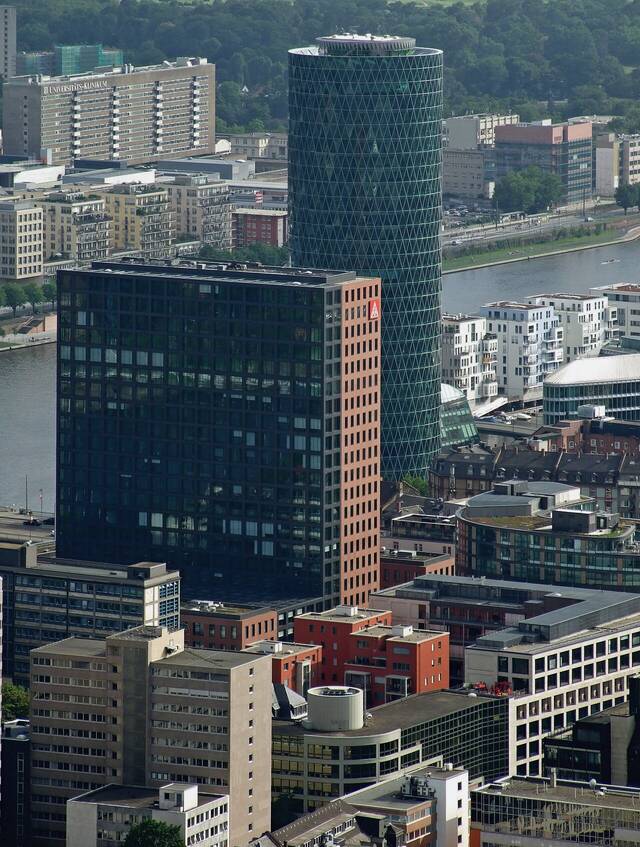
IG Metall (Industriegewerkschaft Metall) is the German metalworkers' union, headquartered in Frankfurt am Main, and one of the largest trade unions in Germany, part of the DGB confederation. It represents workers in the metal and electrical industry, steel, auto trades, textiles and other sectors. Its chair is Christiane Benner, the first woman to lead the union. Sources: IG Metall, DGB.

INTEREST BY REGION
Where it's trending
United States
100
India
66
France
66
United Kingdom
54
Brazil
46
Germany
41
Japan
18
Canada
14
Sources
Public-source data, structured and editorially reviewed.