Volkswagen - People also ask
Volkswagen built its empire on the idea of a car for everyone, then nearly torched its reputation with the biggest emissions fraud in automotive history.
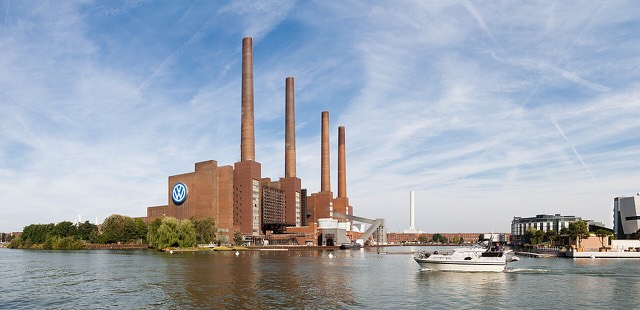
Volkswagen was born in 1937 with one of the most democratic missions in car history and one of the most uncomfortable origins. The name literally means “people’s car,” and the goal was to put an affordable vehicle in the hands of ordinary German families. The catch: it was a state project of Nazi Germany, designed by Ferdinand Porsche, and the factory town of Wolfsburg was built around it. The Beetle that emerged went on to become one of the best-selling cars ever made, and the post-war company became the engine of Germany’s industrial recovery.
People search Volkswagen for two very different reasons. Some want to know whether it’s a smart buy: is it reliable, how does it compare to Toyota, which years to avoid. Others want to understand the corporate giant behind the badge: who owns it, how it relates to Porsche and Audi, and how it became one of the two biggest carmakers on the planet. The honest answer to the first group is that VW is a solid, refined, middle-of-the-road choice that costs more to repair than a Japanese equivalent.
No discussion of Volkswagen is complete without Dieselgate. In 2015, the brand was caught using illegal software to cheat diesel emissions tests, with cars pumping out up to 40 times the legal limit of nitrogen oxides in real driving. It became the biggest fraud in automotive history, cost the company tens of billions of dollars in fines, settlements, and buybacks, sent executives to court, and accelerated VW’s pivot to electric cars. It is the single most important fact about the modern brand, and any honest page has to put it front and center.
What buyers actually want to know is practical: the DSG dual-clutch gearbox can be a weak point on older cars, the infotainment and electronics can be fiddly, and the ID. electric range is decent but not class-leading. Behind all of it sits the Porsche-Piech family, which controls the publicly traded company through Porsche SE, alongside the German state of Lower Saxony. Volkswagen is not luxury, but it owns most of the world’s great luxury badges. It is, in short, an ordinary car brand attached to an extraordinary empire.