← ALL SIGNALS
datastats / Culture
LIVE
Culture ▲ Rising Trend score 62 · Published July 13, 2026 · Updated July 13, 2026

What Is a Monsoon

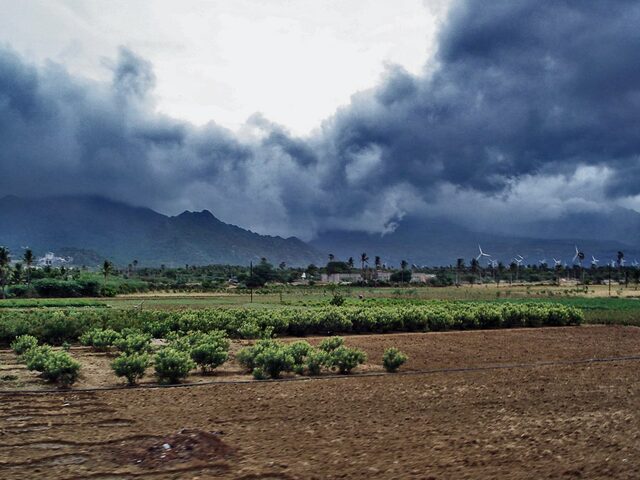
A monsoon is a seasonal reversal of the prevailing winds that brings a wet season and a dry season, driven by land heating and cooling faster than the ocean. The best known is the South Asian summer monsoon (June to September), which delivers most of India's yearly rainfall, but monsoon systems also occur in East Asia, West Africa, Australia and the southwestern United States. Sources: NOAA, Britannica, India Meteorological Department.
By · datastats
INTEREST INDEX
62 +9% · 24h
What Is a Monsoon
w:user:PlaneMad · CC BY-SA 3.0
30-DAY PEAK
64
modeled window
90-DAY AVG
35
trending up
TREND SCORE
62
+9% · 24h
TRACKED QUESTIONS
9
from public queries
INTEREST OVER TIME
Momentum trajectory
PEAK 64
30d ago15dtoday

The context

What is a monsoon?

A monsoon is a seasonal reversal of the prevailing winds that gives a region a distinct wet season and dry season. The key word is seasonal: a monsoon is not a single storm but a wind pattern that shapes the weather of an entire region for months. The term comes from the Arabic mawsim, meaning season, a reminder that sailors named it after the reliable shift in the winds long before anyone explained the physics.

The engine behind a monsoon is the difference between land and sea. Land heats up and cools down much faster than the ocean. In summer the continent becomes far warmer than the surrounding sea, forming a zone of low pressure that pulls in cool, moisture-rich air from the ocean. As that air rises over the warm land it cools and releases its water as heavy rain, the wet monsoon. In winter the process reverses: the land cools faster than the sea, the winds blow back out to the ocean, and the region enters its dry season.

The most famous monsoon is the South Asian summer monsoon, which arrives over southern India around the start of June and delivers the bulk of the year’s rainfall to India, Pakistan, Bangladesh and their neighbours before withdrawing in late September. But it is far from the only one. There is a West African monsoon, an East Asian monsoon, an Australian monsoon, and a North American monsoon that brings summer thunderstorms to Arizona and New Mexico. All work on the same principle of a land-sea wind reversal.

Monsoons matter enormously. For billions of people they are the main source of fresh water, underpinning farming, drinking supplies and hydropower. A strong, well-timed monsoon means good harvests; a weak or late one can mean drought and hardship. Yet the same rains that fill reservoirs can, when they fall too hard and too fast, cause flooding and landslides. That double edge, life-giving and dangerous, is why the monsoon is one of the most closely watched features of the world’s climate. Sources: NOAA, Britannica, India Meteorological Department, National Weather Service.

People also ask

9 questions · sorted by search share

A monsoon is a large-scale seasonal reversal of the prevailing winds, which brings a marked wet season and dry season to a region. It is not a single storm but a wind system that lasts for months. The word comes from the Arabic 'mawsim', meaning season. The most famous example is the South Asian summer monsoon, when winds turn to blow from the ocean onto the land and unload heavy rain across India and neighbouring countries. Sources: NOAA, Britannica.

Monsoons are driven by the difference in how fast land and ocean heat up and cool down. In summer the land heats much faster than the sea, creating an area of low pressure over the continent that draws in cool, moisture-laden air from the ocean, this air rises, cools and produces heavy rain. In winter the land cools faster than the sea, the flow reverses, and dry air blows from the land out to sea, giving the dry season. Sources: NOAA, Britannica.

It depends on the region. The South Asian summer monsoon runs roughly from June to September, typically arriving over Kerala in southern India around the start of June and withdrawing by late September or October. The North American monsoon peaks from about July to September, and the Australian monsoon falls in the southern-hemisphere summer, around December to March. Sources: India Meteorological Department, NOAA.

Monsoon systems occur in several parts of the world, not just India. The largest is the Asian monsoon (South Asia and East Asia). There are also the West African monsoon, the Australian and Indonesian monsoon, and the North American monsoon that affects the southwestern United States and northwestern Mexico. All share the same basic mechanism: a seasonal reversal of winds between land and sea. Sources: NOAA, Britannica.

No. A hurricane or typhoon is a single, intense tropical cyclone that lasts days. A monsoon is a seasonal wind pattern that governs the weather of an entire region for months at a time. Tropical cyclones can occur during a monsoon season and add to the rainfall, but the monsoon itself is a climate feature, not one storm. Sources: NOAA, Britannica.

Yes. The North American monsoon, sometimes called the Southwest monsoon, brings a surge of moisture and afternoon thunderstorms to Arizona, New Mexico and parts of northwestern Mexico from roughly June or July into September. It is much smaller than the Asian monsoon but is a genuine monsoon by the same definition, a seasonal shift in wind and moisture. Sources: NOAA, National Weather Service.

The wet (summer) monsoon is when winds blow from the ocean onto the warm land, carrying moisture that falls as heavy, sustained rain. The dry (winter) monsoon is the reverse: as the land cools, winds blow from the land out to the ocean, bringing clear, dry conditions. The two phases together, driven by the same land-sea temperature contrast, are what make a climate a monsoon climate. Sources: Britannica, NOAA.

For billions of people the monsoon is the main source of fresh water. In India, for example, the summer monsoon delivers most of the country's annual rainfall and underpins agriculture, drinking water, hydropower and the wider economy. A strong, well-timed monsoon supports good harvests; a weak or late one can cause drought and food shortages, which is why its arrival is watched so closely. Sources: India Meteorological Department, Britannica.

Yes. While the monsoon is vital for water, its heavy and concentrated rainfall can also cause serious flooding, flash floods and landslides, damaging homes, crops and infrastructure and forcing people to evacuate. The same season that fills reservoirs can, in a bad year, bring destructive floods, so monsoon forecasting and flood management are a major focus for affected countries. Sources: NOAA, India Meteorological Department.

True or false?

6 rumors fact-checked, with sources
False
A monsoon is one giant storm.

No, it is a seasonal wind system that brings weeks or months of rain, not a single storm. (NOAA)

False
Monsoons only happen in India.

No, monsoon systems also occur in East Asia, West Africa, Australia and the southwestern United States. (NOAA, Britannica)

False
Monsoon just means heavy rain.

It means the seasonal reversal of the winds, which has both a wet phase and a dry phase. (Britannica)

True
The Indian summer monsoon brings most of India's yearly rain.

Yes, roughly 70 to 80 percent of India's annual rainfall arrives in the June to September monsoon. (India Meteorological Department)

True
The United States has a monsoon.

Yes, the North American monsoon brings summer thunderstorms to Arizona and New Mexico. (NOAA, National Weather Service)

True
Climate change is making monsoons more erratic.

Broadly yes, a warmer atmosphere holds more moisture and research links warming to heavier, more variable monsoon rainfall. (IPCC)

INTEREST BY REGION
Where it's trending
United States
100
India
76
United Kingdom
64
France
60
Germany
38
Brazil
31
Australia
26
Japan
24
Sources
manual_validated
Public-source data, structured and editorially reviewed.