datastats / SIGNAL
enfresde
LIVE
← ALL SIGNALS
datastats / Culture
Culture ● Peak Trend score 80 · Published October 12, 2026 · Updated October 12, 2026

Jugendwort 2026: Germany's Youth Word of the Year Is "Ragebait"

"Ragebait" is Germany's Jugendwort des Jahres (youth word of the year) 2026. Publisher PONS Langenscheidt announced it on Saturday, October 10, 2026, at the Frankfurt Book Fair after a close final: Ragebait 36.5%, "Peak" 33.8%, "Crashout" 29.7%. Voting was open to 11 to 20-year-olds, and the publisher says close to a million took part. The English term means online content designed to provoke anger, and it was already Oxford's Word of the Year 2025. Last year's German winner was "das crazy". Sources: ZDFheute, SRF, 20 Minuten (dpa), Oxford University Press.
By · datastats
INTEREST INDEX
80 +2% · 24h
Jugendwort 2026: Germany's Youth Word of the Year Is "Ragebait"
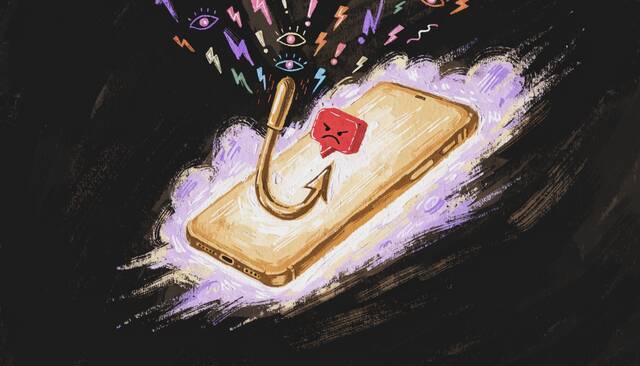
AI-generated illustration
30-DAY PEAK
82
modeled window
90-DAY AVG
53
stable
TREND SCORE
80
+2% · 24h
TRACKED QUESTIONS
9
from public queries
INTEREST OVER TIME
Momentum trajectory
PEAK 82
30d ago15dtoday

The context

Germany’s teenagers pick an English word for online outrage

Germany’s Jugendwort des Jahres 2026, its youth word of the year, is “Ragebait”. Dictionary publisher PONS Langenscheidt announced the result on Saturday, October 10, 2026, at the Frankfurt Book Fair. The final was tight: Ragebait took 36.5%, “Peak” 33.8% and “Crashout” 29.7%. Voting was open to 11 to 20-year-olds, and the publisher says close to a million took part.

The meaning will be familiar to English speakers: posts built to make people angry, through provocative claims, false statements or extreme opinions, because angry comments and shares mean reach. It is the same term Oxford University Press named its Word of the Year 2025 last December. In German it is glossed as “Wut-Köder”, and linguist Jannis Androutsopoulos notes that teenagers now use it offline too, for any deliberately provocative remark.

The vote runs in stages. Suggestions opened on May 29, a jury built a top 10 that also featured “Digga” (bro), “67”, “Süper” and “Schere”, and the top 3 were revealed on August 28 before a final round that closed on September 28. Tagesschau newsreader Susanne Daubner, who has explained the youth word on social media since 2021, teased the reveal a day early, then “realised” she had the wrong date.

Ragebait continues a run of English or English-inspired winners: “das crazy” in 2025, “Aura” in 2024, “goofy” in 2023, “smash” in 2022, “cringe” in 2021 and “lost” in 2020. Critics have long seen the contest as a marketing exercise for Langenscheidt, but it remains one of Germany’s most talked-about language rituals each autumn.

Sources: ZDFheute, SRF, 20 Minuten (dpa), netzwelt, ms-aktuell, Oxford University Press, Wikipedia.

People also ask

9 questions · sorted by search share

It is "Ragebait". German dictionary publisher PONS Langenscheidt announced the Jugendwort des Jahres 2026 on Saturday, October 10, 2026, at the Frankfurt Book Fair (Frankfurter Buchmesse). Ragebait won with 36.5% of the final vote, ahead of "Peak" (33.8%) and "Crashout" (29.7%). Sources: ZDFheute, SRF.

Jugendwort des Jahres translates as "youth word of the year". It is a yearly vote run by Langenscheidt since 2008 to pick the slang term that best sums up how German-speaking teenagers talk. It is separate from the adult "Wort des Jahres" chosen by the Society for the German Language. Source: Wikipedia.

Because German youth slang borrows heavily from English internet culture. All three finalists, Ragebait, Peak and Crashout, are English, and so were recent winners such as "cringe" (2021), "smash" (2022), "goofy" (2023) and "Aura" (2024). German media gloss Ragebait as "Wut-Köder", literally "anger bait". Sources: ZDFheute, 20 Minuten (dpa).

It is the same term, chosen independently. Oxford University Press named "rage bait" its Word of the Year 2025 on December 1, 2025, after a public vote of more than 30,000 people (the other finalists were "aura farming" and "biohack"). Oxford defines it as online content deliberately designed to elicit anger or outrage, typically to drive traffic or engagement, and said usage roughly tripled in a year. German teenagers picked the same word ten months later. Source: Oxford University Press.

The vote is open to young people aged 11 to 20, online on Langenscheidt's site. The publisher says close to a million took part in 2026. Ages are self-declared, though: a spokesperson said the publisher has to rely on participants giving their age truthfully. Sources: ZDFheute, 20 Minuten (dpa).

Suggestions opened on May 29, 2026. A jury turned them into a top 10 (Ragebait, "Du bist gut genug", "Gute Käse", "Macker", Crashout, "Schere", "Süper", "Digga", "67" and Peak), which went to a public vote. The top 3 were revealed on August 28 and the final round closed on September 28. Sources: netzwelt, 20 Minuten (dpa).

2025: das crazy. 2024: Aura. 2023: goofy. 2022: smash. 2021: cringe. 2020: lost. There was no winner in 2019, after PONS took over Langenscheidt. Earlier picks include "Ehrenmann/Ehrenfrau" (2018), "I bims" (2017), "Smombie" (2015) and "YOLO" (2012). Sources: 20 Minuten (dpa), Wikipedia.

She is a newsreader on Tagesschau, Germany's flagship evening news, and since 2021 she has explained the youth word in deadpan videos on the show's social channels. On October 9, a day before the result, she posted a video in which she started to reveal the winner, checked her calendar and realised she was a day early. She never said the word, but commenters promptly called her the "Ragebait queen". Sources: 20 Minuten (dpa), ms-aktuell.

Yes. Critics have long called it a marketing campaign for Langenscheidt's slang dictionary and questioned whether some winners were ever widely used. Hamburg linguist Jannis Androutsopoulos says Ragebait has already moved beyond social media into everyday speech, which is when a word can really claim to be youth language. Sources: Wikipedia, ZDFheute.

True or false?

6 rumors fact-checked, with sources
False
Ragebait won Germany's youth word vote by a wide margin.

It took 36.5%, only 2.7 points ahead of Peak (33.8%), with Crashout on 29.7%. (ZDFheute)

True
Ragebait was also Oxford's Word of the Year.

Oxford University Press chose "rage bait" as its Word of the Year 2025, announced December 1, 2025. (Oxford University Press)

False
Ragebait is a German word.

It is an English borrowing (rage plus bait), glossed in German as "Wut-Köder". (ZDFheute)

True
Close to a million young people voted.

That is the figure given by publisher PONS Langenscheidt. (ZDFheute, SRF)

Unverified
Only teenagers and young adults aged 11 to 20 voted.

The vote is meant for that age group, but ages are self-declared and not checked. (20 Minuten, dpa)

False
Tagesschau's Susanne Daubner leaked the winner a day early.

Her October 9 video stopped before the reveal because she had the wrong date, and she named no word. (20 Minuten, dpa)

INTEREST BY REGION
Where it's trending
United Kingdom
100
France
73
United States
68
India
64
Germany
54
Brazil
51
Japan
14
Canada
14
Sources
Public-source data, structured and editorially reviewed.