Beaver Supermoon November 2026: Date, Time and Best Viewing
November's full moon, the Beaver Moon, is a supermoon. It peaks on Tuesday, November 24, 2026 at 14:53 UTC, which is 9:53 a.m. EST and 6:53 a.m. PST, when the Moon is below the horizon for most of North America. The best views come at moonrise on the evenings of Monday, November 23 and Tuesday, November 24. It sits about 360,770 km away, roughly 6.5% larger and 13.5% brighter than an average full moon, and it glides past the Pleiades in Taurus. It is not the biggest of the year: the December 24 supermoon comes closer. Sources: Star Walk, Farmers' Almanac, Sky at Night Magazine, Sterngucker, Space.com.
The context
November’s full moon, the Beaver Moon, is a supermoon this year. It reaches full phase on Tuesday, November 24, 2026, at 14:53 UTC, which is 9:53 a.m. EST and 6:53 a.m. PST. Searches for “supermoon november 2026” are climbing as people look for the best night and time to see it, two days before Thanksgiving.
The peak itself happens in daylight for North America, so the timing that matters is moonrise. Around full moon, the Moon rises close to sunset, sits low in the east as the sky darkens and looks largest and most golden. Farmers’ Almanac points to Monday, November 23 and Tuesday, November 24 as the best nights; any clear, low eastern horizon will do.
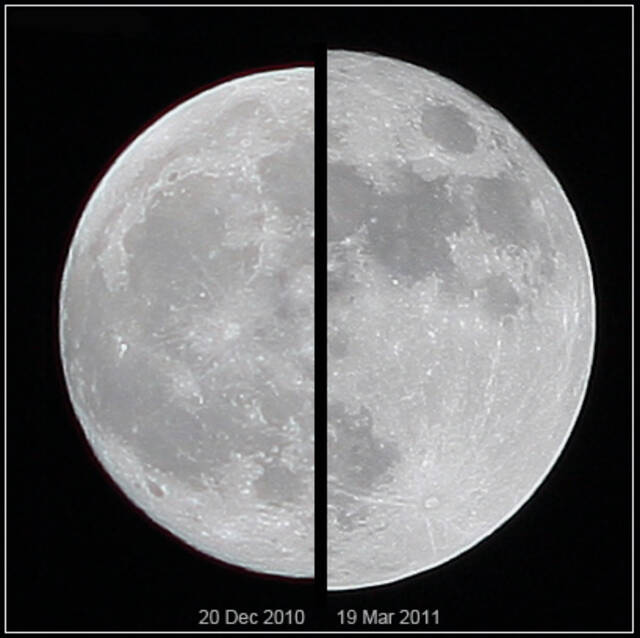
At about 360,770 km from Earth, the Moon looks roughly 6.5% larger and 13.5% brighter than an average full moon, according to Star Walk. It is the second supermoon of 2026 after January, but not the biggest: that title goes to the December 24 Cold Moon, which comes closer still at about 356,740 km. Sources do not all count the same number of supermoons, because the term has no official definition; three (January 3, November 24, December 24) is the most common answer.
There is also a bonus for sky watchers: the full moon lies in Taurus right next to the Pleiades, and from some regions it will pass in front of some of the cluster’s stars. In Europe, the full moon falls at 14:53 GMT in London and 15:53 CET in Paris, Berlin and Madrid, again in daylight, with moonrise in the late afternoon. Sources: Star Walk, Farmers’ Almanac, Sky at Night Magazine, Sterngucker, Space.com.