PayPal - People also ask
PayPal is the world's most recognized digital wallet, and also the most complained-about payments company on the planet.
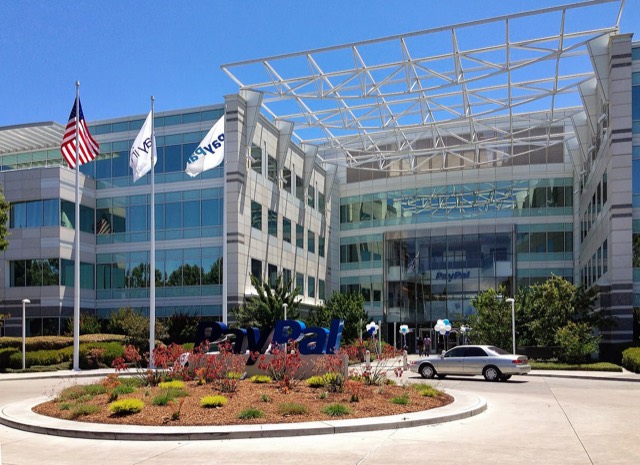
PayPal was founded in 1998, went public in 2002, got swallowed by eBay, and then broke free again in 2015. Today it operates as an independent publicly traded company (NASDAQ: PYPL) and processes hundreds of billions of dollars in payments every year across more than 200 markets. It’s not a bank, but it acts like one for hundreds of millions of people who have no better option.
That reach is exactly why it dominates search. People from Pakistan to Nepal to Bangladesh keep typing PayPal into Google not because it works for them, but because it doesn’t, and they want to know why. Freelancers, remote workers, and small business owners in developing economies are locked out of a platform that handles money for much of the world, and the frustration is real and justified.
PayPal’s corporate history is also a magnet for questions. It was co-founded by a group that became known as the “PayPal Mafia”, including Elon Musk and Peter Thiel, before being sold to eBay for $1.5 billion in 2002. None of those founders run it today. The company is led by CEO Alex Chriss (as of 2023), and its largest institutional shareholders are asset management giants like Vanguard and BlackRock.
The brand is also notorious for account freezes, withdrawal holds, and opaque dispute policies, things PayPal’s own help pages bury in legalese. Its relationship with regulated banking is deliberately complex: it partners with licensed banks to hold customer funds, but PayPal itself is not a bank and your balance is not FDIC-insured in the traditional sense. That distinction matters enormously if something goes wrong.