The Weeknd
The Weeknd is the Canadian R&B architect who turned midnight melancholy into a billion streams, and in 2025–26, he's methodically dismantling the alter ego that made him famous.
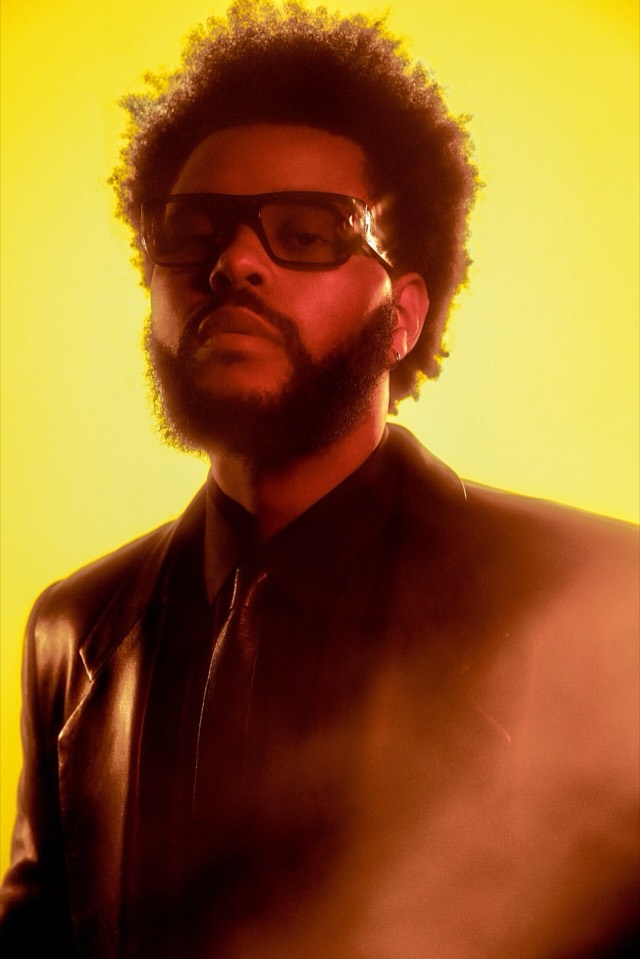
Abel Tesfaye, known to the world as The Weeknd, is one of the most commercially dominant artists of his generation. Born in Toronto in 1990 to Ethiopian immigrant parents, he quietly uploaded anonymous mixtapes to YouTube in 2010, then spent the next decade constructing a cinematic, synth-drenched sound that sits at the intersection of R&B, pop, and dark electronic music. “Blinding Lights” cemented his status as a bona fide global phenomenon, it spent more weeks in the Billboard Hot 100 top 10 than any other song in the chart’s history.
His artistic output has been remarkably coherent: the After Hours (2020) and Dawn FM (2022) albums formed the first two parts of a trilogy, with Hurry Up Tomorrow (released January 31, 2025) completing the arc and debuting at #1 on the Billboard 200. He has framed this record as the closing chapter of The Weeknd as a project, raising serious questions about what Abel Tesfaye does next.
The multimedia push around the trilogy didn’t stop at music. A feature film also titled Hurry Up Tomorrow, released via Lionsgate in May 2025 and starring Tesfaye himself, was met with poor reviews and disappointing box office, a rare stumble in an otherwise meticulously controlled career rollout.
On the road, The Weeknd has been running a massive stadium tour alongside Playboi Carti, which has been extended into 2026 to cover Latin America and Europe, keeping him one of the biggest live draws on the planet even as he hints at retiring the stage name.
The combination of a trilogy-closing album, a possible farewell to “The Weeknd” as a brand, and a globe-spanning 2026 tour is exactly why his name is all over search engines right now. He’s not disappearing, he’s engineering one of the most dramatic identity pivots in pop music.