Spotify - People also ask
Spotify is the world's dominant music streaming platform, loved by listeners, loathed by artists for its royalty math, and increasingly cornered by its own ambitions in podcasts, audiobooks, and AI.
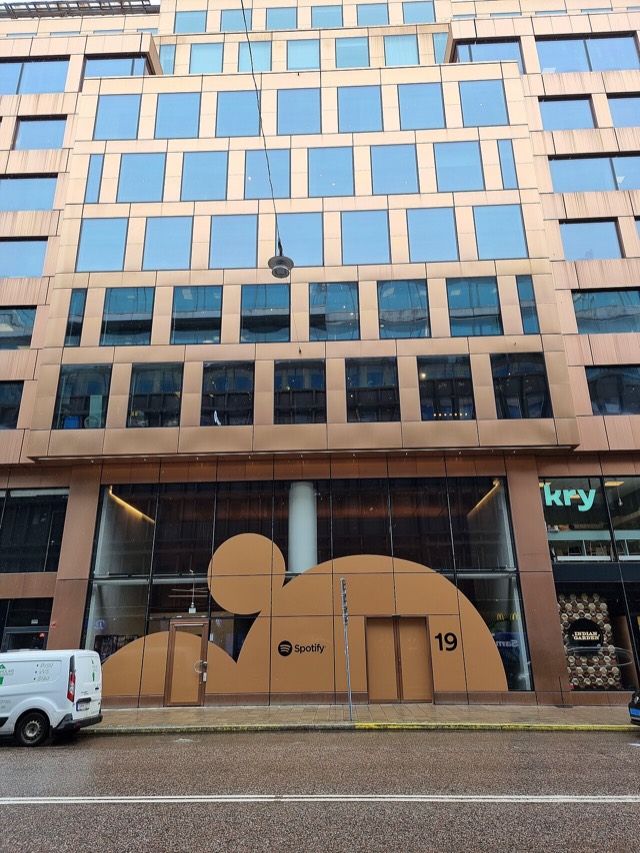
Spotify launched in 2006 out of Stockholm, Sweden, went public in 2018, and now sits at over 600 million active users across 180+ markets. It didn’t invent music streaming, but it won the war, outmaneuvering Apple, Amazon, and a graveyard of competitors through a freemium model that makes it almost frictionless to start using and surprisingly sticky to quit.
The company is publicly traded on the New York Stock Exchange (ticker: SPOT) and still heavily shaped by its co-founder and CEO Daniel Ek, who remains the dominant strategic voice. Its ownership is distributed across institutional investors, but Ek and co-founder Martin Lorentzon hold supervoting shares that keep control firmly inside the founding circle, regardless of what the market says.
Spotify’s relationship with the music industry is complicated, to put it charitably. It pays out the majority of its revenue in royalties, yet the per-stream rate, fractions of a cent, has made it a lightning rod for criticism from artists ranging from indie musicians to global superstars. It’s the platform that made streaming the default, and also the platform that made “how little does Spotify pay?” a mainstream conversation.
Beyond music, Spotify has aggressively expanded into podcasts (acquiring Anchor, Gimlet, and Joe Rogan’s show for reported nine-figure sums) and audiobooks, bundling them into premium tiers to justify subscription prices. The strategy is clear: become the Netflix of audio. Whether that bet pays off is still very much an open question.