Xi Jinping
Xi Jinping is the most powerful Chinese leader since Mao Zedong, General Secretary of the Communist Party, President of China, and Commander-in-Chief of its military, all rolled into one.
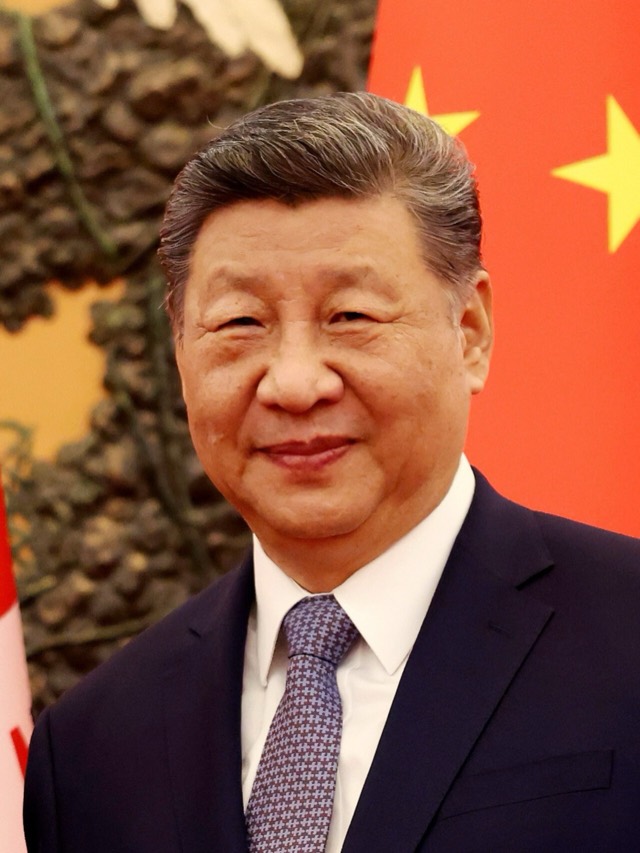
Xi Jinping: China’s Paramount Leader
Xi Jinping (born 15 June 1953) has ruled the People’s Republic of China with near-total authority since 2012, when he became General Secretary of the Chinese Communist Party (CCP). He added the state presidency in 2013 and the chairmanship of the Central Military Commission, making him the undisputed apex of Chinese power across the party, the government, and the armed forces simultaneously.
His rise was shaped by hardship: during the Cultural Revolution (1966–76), his father, senior official Xi Zhongxun, was purged, and the teenage Xi was sent to rural Shaanxi province for seven years of manual labour. That “sent-down youth” biography is central to his carefully managed public image of resilience and connection to ordinary Chinese people.
In 2018, the CCP abolished presidential term limits, effectively allowing Xi to remain in office for life. He secured a historic third five-year term as General Secretary in October 2022. No credible succession plan has been announced, a deliberate consolidation of personal power that has no precedent in the post-Mao era.
Internationally, Xi is the central figure in debates about trade, Taiwan, the South China Sea, the Belt and Road Initiative, and the future of the US–China relationship, which is why he generates enormous search traffic worldwide from news consumers, students, policymakers, and curious bystanders alike.
A note on private-life claims: Xi is an intensely private public figure; many details about his family, finances, and personal life are not independently verifiable and are deliberately kept out of Chinese state media. This page reports only what is widely and reliably documented.