Narendra Modi
Narendra Modi is India's dominant political force, a chai-seller's son turned three-term Prime Minister who reshaped the world's most populous democracy in his own image.
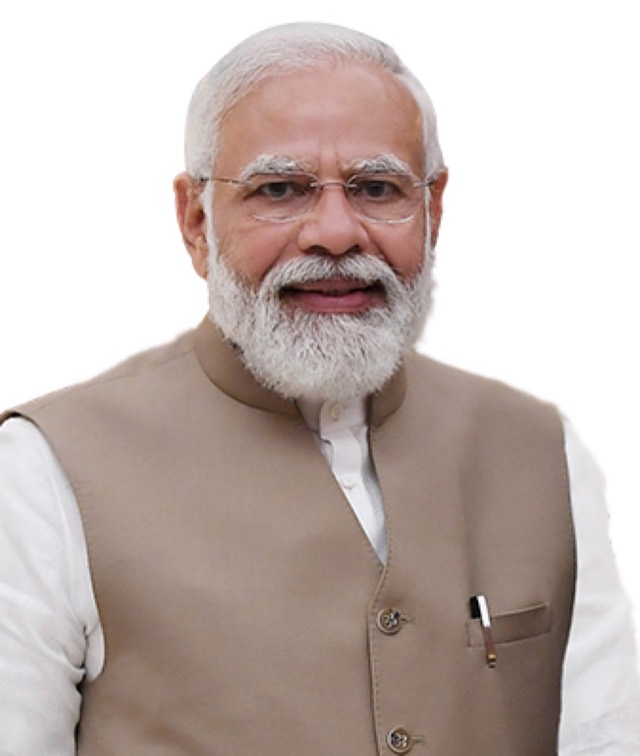
Narendra Damodardas Modi was born on 17 September 1950 in Vadnagar, a small town in what is now Gujarat. He grew up in modest circumstances, famously helping his father sell tea near a railway station. He joined the Rashtriya Swayamsevak Sangh (RSS) as a young man and rose through the ranks of the Bharatiya Janata Party (BJP), eventually becoming Chief Minister of Gujarat in 2001, a post he held for over twelve years.
In 2014, Modi led the BJP to a sweeping parliamentary majority and became India’s 14th Prime Minister, the first born after independence. He was re-elected in 2019 and again in 2024 (with a reduced majority requiring coalition support), making him one of India’s longest-serving PMs. His tenure has been defined by landmark economic reforms, a muscular foreign policy, major infrastructure drives, and deeply controversial decisions including the revocation of Jammu & Kashmir’s special status and the Citizenship Amendment Act.
Modi is one of the most searched political figures on Earth. He commands a massive personal following, his social media reach rivals or exceeds that of most world leaders, and he polarises opinion sharply. Supporters credit him with modernising India’s economy and projecting national confidence on the global stage; critics accuse him of centralising power and stoking Hindu nationalist sentiment at the expense of minorities.
His personal life, particularly his estranged marriage, is a frequent search topic. He disclosed on election nomination forms in 2014 that he is married to Jashodaben Modi, a fact he had not publicly acknowledged for decades, making their relationship one of the most discussed open secrets in Indian politics.