Edward Snowden
Edward Snowden blew the lid off the NSA's global surveillance machine in 2013, turned the world's privacy debate upside down, and has been living in Russia ever since, with the U.S. still waiting to put him on trial.
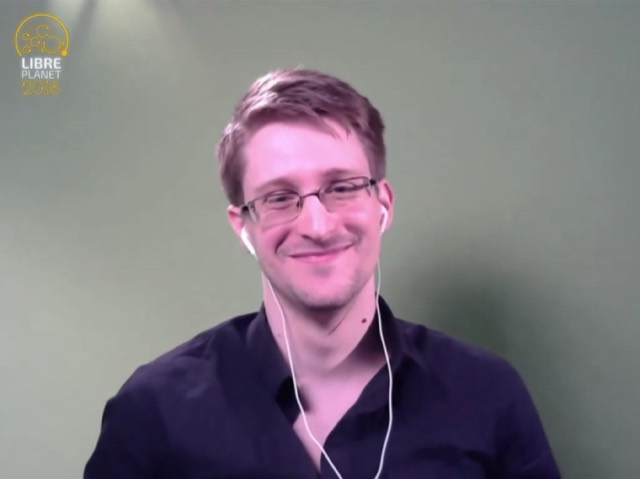
Edward Snowden was born on 21 June 1983 and spent his early career moving through the U.S. intelligence community, the CIA, the NSA, and eventually private contractor Booz Allen Hamilton. In June 2013, while posted in Hawaii, he handed a trove of classified NSA documents to journalists, detonating one of the biggest intelligence scandals in American history. The disclosures revealed mass surveillance programs that swept up the phone records and internet data of hundreds of millions of ordinary people worldwide.
The U.S. government charged him that same month with two counts under the Espionage Act and theft of government property. He has never stood trial and has not been convicted. Supporters, including major press-freedom organisations, call him a whistleblower who served the public interest. The U.S. government and many intelligence officials call him a traitor who damaged national security. Both framings remain fiercely contested, and that argument has never been legally resolved.
Stranded in Moscow’s Sheremetyevo airport after the U.S. revoked his passport, Snowden eventually received asylum in Russia. He has lived there since 2013 and was granted Russian citizenship in 2022. He is not idle: he published a memoir, Permanent Record, in 2019 and serves as president of the Freedom of the Press Foundation.
The reason his name keeps trending in 2025–2026 is a recurring wave of speculation, voiced by figures in or around the Trump administration, about a potential presidential pardon. As of mid-2026, no pardon has been granted. Until that changes, or until he somehow returns to U.S. jurisdiction, Snowden remains in legal limbo: a wanted man abroad, a cause célèbre at home.