Ozzy Osbourne
Ozzy Osbourne, the Prince of Darkness and godfather of heavy metal, died on 22 July 2025 at age 76, just 17 days after his final farewell performance.
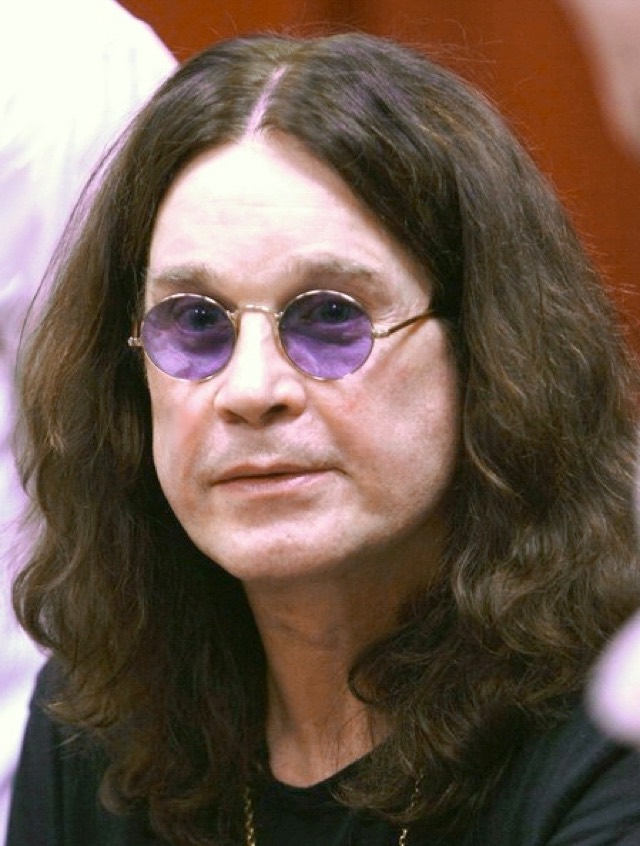
The context
The world lost a rock icon on 22 July 2025: Ozzy Osbourne, frontman of Black Sabbath and one of the most recognisable figures in music history, died of a heart attack aged 76. He had been living with both Parkinson’s disease and coronary artery disease in his final years, battles he faced with characteristic bluntness rather than self-pity.
What makes the timing so gut-punching is that Ozzy had just played his final show, “Back to the Beginning” in Birmingham, England, on 5 July 2025, a full-circle farewell in the city where he and Black Sabbath first forged heavy metal. He died only 17 days later, meaning millions of fans who watched that show were essentially witnessing his goodbye without fully knowing it.
The trending searches reflect a public trying to process both grief and curiosity about a man who was simultaneously a genre-defining musician, a reality TV patriarch, a walking rock-and-roll mythology, and a surprisingly resilient human being. For younger audiences who knew him from The Osbournes, the questions are personal. For metal lifers, it’s the end of an era.
Ozzy’s legacy is enormous and unambiguous: Black Sabbath invented a template that every heavy band since has borrowed from. His solo catalogue, “Crazy Train,” “Mr. Crowley,” “Bark at the Moon”, cemented a second act few artists ever achieve. He survived decades of substance abuse, a near-fatal ATV accident, and a degenerative neurological disease, all while remaining one of music’s most beloved and enduring presences.