Graham Hancock
Graham Hancock is the British author who turned "lost civilisation" speculation into a global franchise, and a lightning rod for archaeologists who say he's selling myth as history.
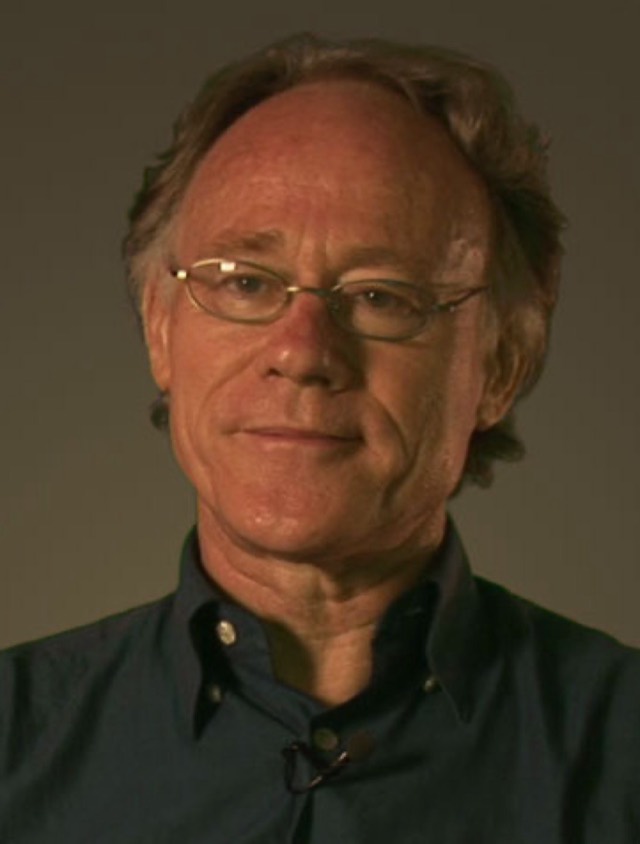
Born on 2 August 1950, Graham Hancock started his career as a serious journalist, writing for heavyweights like The Times and The Economist. That credibility gave his pivot to alternative history real commercial fuel: his 1992 debut The Sign and the Seal and 1995 blockbuster Fingerprints of the Gods sold millions of copies and built a loyal readership that mainstream publishing couldn’t ignore.
His core thesis is that an advanced civilisation flourished during the last Ice Age, was wiped out by catastrophe, and quietly seeded knowledge into later cultures, explaining pyramids, megaliths, and mythological parallels across the globe. He argues orthodox archaeology has systematically ignored or suppressed the evidence. Professionals, however, disagree sharply: mainstream archaeologists, including the Society for American Archaeology, have publicly labelled his work pseudoarchaeology, accusing him of cherry-picking data and presenting absence of evidence as evidence of conspiracy.
The debate exploded back into the public eye in 2024. His Netflix series Ancient Apocalypse returned for a second season in October 2024, and a high-profile debate with archaeologist Flint Dibble on the Joe Rogan Experience crystallised the divide, giving both fans and critics a sharp, watchable flashpoint.
Hancock is a divisive figure precisely because he’s not a crank in a tinfoil hat: he’s a skilled, well-read communicator who knows how to build a compelling narrative. The tension between his storytelling gifts and his rejection by the academic establishment is what keeps him trending.