Why Labubu is suddenly everywhere
A snaggle-toothed elf nobody could name two years ago is now a $20 lottery ticket people queue overnight for. Here's what actually happened, and why it won't last.
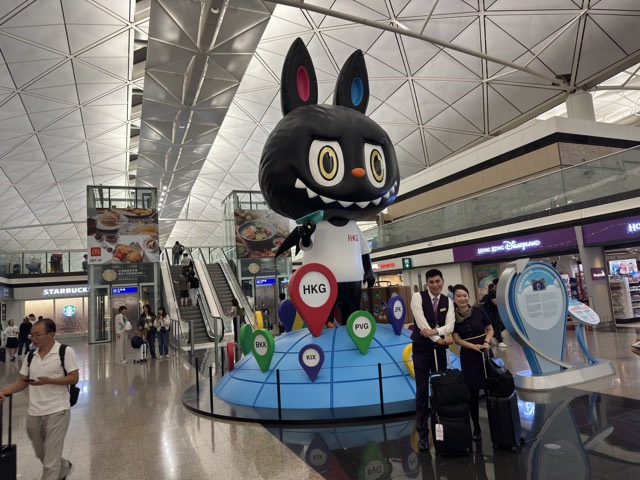
The context
Two years ago, “Labubu” would have gotten you a blank stare. Today people camp outside Pop Mart stores, resellers flip a $20 toy for ten times that, and the company behind it is worth more than toymakers with a century of history. None of this happened by accident.
The engine is the blind box: you don’t know which figure is inside until you tear it open, and the rarest “secret” editions are deliberately seeded at roughly one in seventy-two. That’s not collecting, that’s a slot machine with a plush payout. It’s also tailor-made for short-form video, where the moment of opening is the content, and every gasp drives ten more people to buy a box of their own.
Then came the celebrities. A few high-profile fans clipped the figures to luxury handbags, the photos went everywhere, and a niche art toy became a status object overnight. Scarcity plus celebrity plus an algorithm that rewards the unboxing reflex, that’s the whole formula, and Pop Mart plays it deliberately.
Here’s the part the hype skips: nothing about the toy itself justifies the price. It’s mass-produced plastic. What you’re buying is the gamble and the bragging rights, and history is unkind to objects whose value is pure momentum. Enjoy the little monster if it makes you happy. Just don’t mistake it for an investment.
People also ask
True or false?
Yes, counterfeits nicknamed 'Lafufu' are everywhere; UK authorities seized about GBP 3.5 million of fakes. (Today, Campaign)
True: genuine Labubus have exactly nine teeth, plus a Pop Mart logo under the foot. (Parade)
No. As Pop Mart ramped output roughly tenfold, resale prices fell 50%+, some slipping below retail. (Campaign)
Yes, she has long been a Pop Mart fan and helped fuel the craze. (Today)
Debated. There is talk of 'peak Labubu' and falling resale, but demand is still there: call it cooling, not dead.