Hulk Hogan
Hulk Hogan, real name Terry Bollea, the most recognizable face professional wrestling ever produced, died on July 24, 2025, at age 71, from a heart attack at his Clearwater, Florida home.
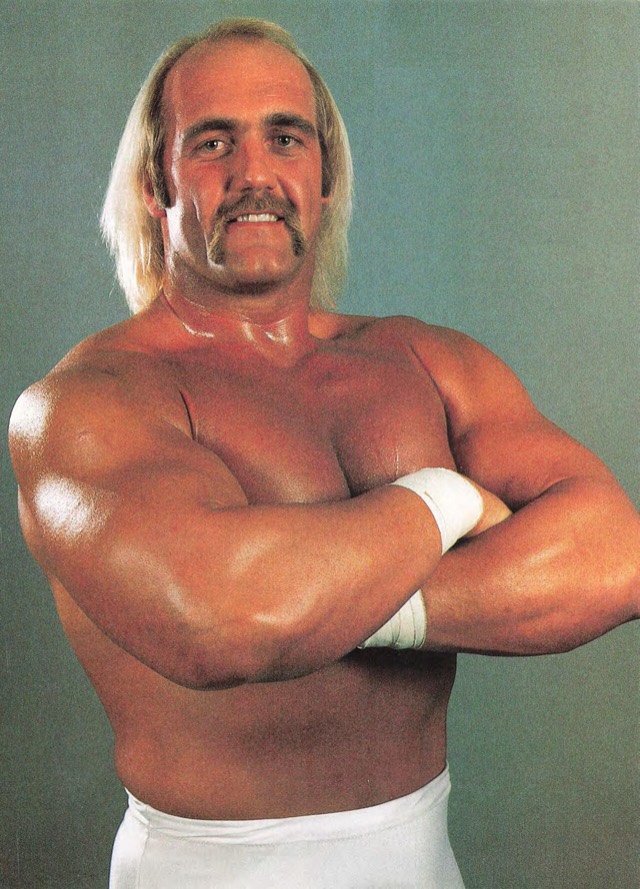
The context
The name “Hulk Hogan” is dominating search engines on July 24–25, 2025, for one reason: the man is gone. Terry Bollea, the yellow-and-red-clad giant who made pro wrestling a global pop-culture phenomenon, died of an acute myocardial infarction at his home in Clearwater, Florida. He was 71. Authorities confirmed no foul play; his long-documented health struggles, atrial fibrillation and chronic lymphocytic leukemia (CLL), were contributing factors.
Hogan wasn’t just a wrestler. He was the wrestler, the one who turned the WWF (now WWE) into a mainstream entertainment empire in the 1980s alongside Vince McMahon, headlined the first WrestleMania, and made “Whatcha gonna do, brother?” a cultural catchphrase. His career spanned decades, jumping to WCW in the ’90s where he reinvented himself as the villainous “Hollywood Hogan,” one of wrestling’s greatest heel turns.
His personal life was as loud as his persona. A high-profile divorce from his first wife Linda, a scandalous sex tape lawsuit that ultimately bankrupted Gawker Media, and a period of public controversy over leaked racist remarks kept him in the tabloids as much as the ring. WWE eventually reconciled with him publicly, and he remained a fixture at major events until his death.
Hogan leaves behind a complicated but undeniable legacy: the single biggest box-office draw in wrestling history, a man who made the world believe a 6-foot-7 bleach-blonde bodybuilder was invincible, and who, in the end, was not.