The North Face - People also ask
The North Face sells $300 fleeces and $700 jackets with the confidence of a brand that knows you'll pay, here's everything the label won't tell you about itself.
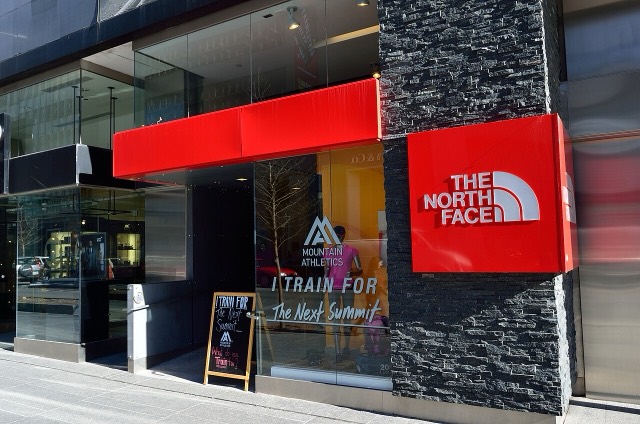
The North Face: The Brand That Conquered Both Summits and Streetwear
The North Face was born in 1966 in San Francisco as a hardcore outdoor equipment retailer, think mountaineers, alpinists, and serious backcountry skiers. It was never meant to be a status symbol for high-school hallways. Decades later, it is both of those things at once, and that tension defines almost every question people ask about it.
Today, The North Face is owned by VF Corporation, a publicly traded American apparel giant that also controls Vans, Timberland, and Dickies. VF Corp pulled in The North Face through its 2000 acquisition and has since turned it into one of the most recognized outdoor lifestyle brands on the planet, with revenues exceeding $3 billion annually. The brand’s technical credibility is real, but its mass-market ubiquity is a deliberate corporate strategy, not a happy accident.
Pricing is the number-one flashpoint. The North Face sits in a peculiar middle zone: too expensive to be a commodity, not exclusive enough to be true luxury. Critics argue that much of the premium reflects branding and distribution rather than breakthrough materials, though the brand does invest genuinely in proprietary technologies like FUTURELIGHT™ and Thermoball™ insulation.
Controversy follows the brand on multiple fronts. Its “Renewed” resale program, its collaboration pricing (the Gucci x TNF collab sent prices into four figures), its cultural appropriation allegations, and its occasional spats with conservative groups over LGBTQ+ marketing have all made headlines. The brand will address none of this directly on its own pages, which is exactly why people keep searching.