Rolex - People also ask
Rolex is the world's most recognized luxury watch brand, and one of the most counterfeited, marked-up, and misunderstood status symbols on the planet.
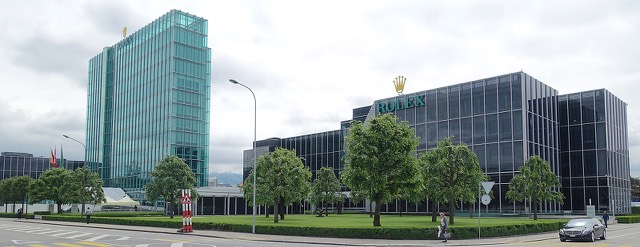
Rolex was founded in London in 1905 by Hans Wilsdorf and relocated to Geneva, where it became the definitive Swiss luxury watchmaker. It pioneered waterproof cases (the Oyster, 1926), self-winding movements (the Perpetual rotor, 1931), and date displays, genuine technical milestones that competitors are still catching up to. Today, Rolex is a privately held company owned by the Hans Wilsdorf Foundation, a Swiss charitable trust, which means it publishes almost no financial data and answers to no shareholders. That opacity is a feature, not a bug.
The brand produces an estimated 800,000 to 1,000,000 watches per year, deliberately fewer than market demand, a strategy that keeps waiting lists long and resale prices high. Every major reference, from the Submariner to the Daytona, regularly sells for more on the secondary market than it does at authorized dealers. That’s not an accident; it’s engineered scarcity operating at industrial scale.
People search for Rolex obsessively because the brand sits at an uncomfortable crossroads: it is simultaneously a legitimate feat of Swiss engineering, a financial asset, a piece of pop-culture mythology, and the single most counterfeited watch on earth. Buyers want to know if it’s worth it. Non-buyers want to know why anyone pays that much. And collectors want to know exactly how deep the rabbit hole goes.
What Rolex itself will never openly discuss: the true size of its markup, the mechanics of its authorized-dealer allocation system, the gray market it quietly benefits from, or the sheer volume of fakes bearing its crown logo. That’s precisely what this page is for.