Red Bull - People also ask
Red Bull sells you a lifestyle, a racing empire, and a sugar-caffeine cocktail, and the world keeps buying, even as the health questions pile up.
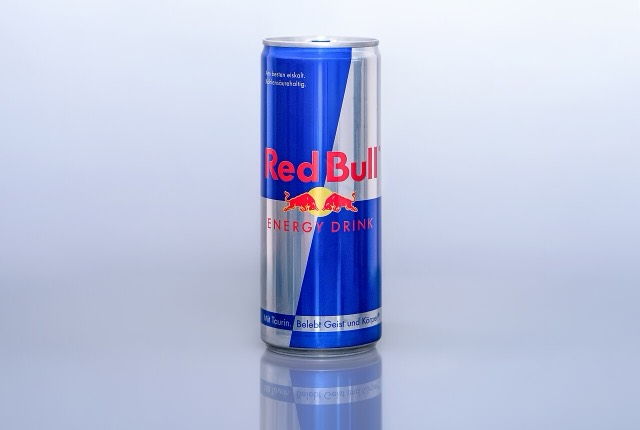
Red Bull is not a beverage company that got lucky. It is a media, sports, and marketing machine that happens to sell cans. Founded in 1987 by Austrian entrepreneur Dietrich Mateschitz and Thai businessman Chaleo Yoovidhya, adapting a Thai tonic called Krating Daeng, it became the world’s best-selling energy drink, moving over 12 billion cans a year globally as of recent years. The original formula, the logo, the slogan: all engineered from scratch for a Western market that didn’t know it needed wings yet.
The brand’s financial structure is deliberately opaque. Red Bull GmbH is privately held, which means no public filings, no quarterly earnings calls, no Wall Street analysts poking around. That secrecy fuels a constant stream of searches about who actually controls the money, and the answer involves two family estates across two continents with very different power dynamics.
People also search Red Bull because of genuine health anxiety. The drink contains 80mg of caffeine per 250ml can (roughly equivalent to a standard cup of coffee), taurine, B vitamins, and sugar, or artificial sweeteners in the sugar-free version. Health regulators in several countries have at various points restricted or studied its sale, and research linking high energy drink consumption to cardiovascular stress is real and ongoing. This is not a brand that volunteers that information.
Then there’s the empire beyond the can: two Formula 1 teams, a football club network spanning four continents, the Red Bull Rampage freeride mountain bike event, Red Bull Media House, and athlete sponsorship at a scale that makes most traditional sports broadcasters look slow. Red Bull spends an estimated 25–30% of its annual revenue on marketing, a figure that explains both its omnipresence and its price tag.