Primark - People also ask
Primark sells clothes at prices that make fast fashion look slow, and the real cost isn't on the price tag.
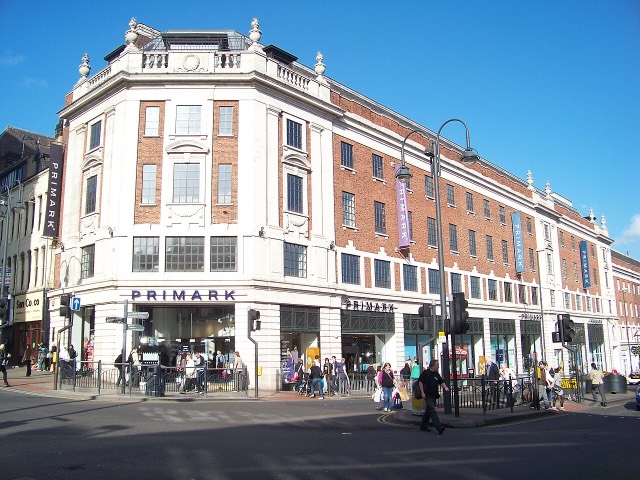
Primark is an Irish fast-fashion retailer founded in Dublin in 1969 under the name Penneys. Today it operates hundreds of stores across Europe and a growing number in the United States, all under the Primark name (except in Ireland, where it still trades as Penneys). It is owned by Associated British Foods (ABF), a British multinational conglomerate, not a trendy tech startup, not a hedge fund, but a century-old food-and-retail giant that also sells Twinings tea and Kingsmill bread.
The brand’s entire identity is built on one promise: absurdly low prices, in-store only. Primark has no e-commerce store, a deliberate choice that keeps logistics costs down and forces footfall into its giant brick-and-mortar locations. That strategy has made it one of the most-visited retail destinations in Europe and a growing curiosity in the US, where it has been expanding since its first American store opened in Boston in 2015.
People search for Primark obsessively because the prices feel almost suspicious, a t-shirt for $3, jeans for $12, and shoppers want to know whether there’s a catch. There is, of course, but it’s not a secret: the catch is a supply chain built on low-wage labor in countries like Bangladesh, Cambodia, and India, and a product quality that often reflects what you paid.
That hasn’t stopped Primark from becoming a cultural phenomenon. Its stores are large-format, almost theatrical retail spaces, and “Primark hauls” are a staple genre on YouTube and TikTok. The brand sits at the intersection of accessibility, disposability, and guilty pleasure, which is exactly why it generates so many questions that its own PR department would rather leave unanswered.