Prada - People also ask
Prada sells you the idea that restraint is the ultimate flex, and charges accordingly.
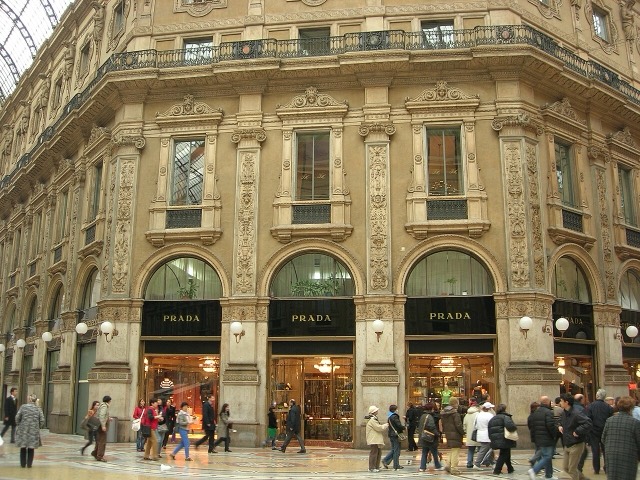
Prada is a Milanese luxury fashion house founded in 1913 by Mario Prada as a leather goods shop. What started as luggage and handbags evolved, under the stewardship of Mario’s granddaughter Miuccia Prada, into one of the most intellectually loaded brands in fashion, known for deliberately ugly-pretty designs, conceptual runway shows, and a house philosophy that treats fashion as cultural commentary rather than mere clothing.
Miuccia Prada is the creative engine the brand will never fully demystify. Holding a PhD in political science, she turned Prada’s near-bankruptcy in the 1980s into a global luxury empire by doing the counterintuitive: making nylon backpacks into status symbols and weaponizing “bad taste” as sophistication. That tension, cerebral versus commercial, is exactly what keeps Prada aspirational.
The brand sits at the apex of the “old luxury” tier alongside Hermès and Chanel, which is why it commands prices that make even seasoned luxury shoppers wince. Its positioning is built on genuine craft (most leather goods are made in Italy), controlled distribution, and an aura of intellectual seriousness that competitors struggle to replicate. Prada deliberately avoids the logo-saturation game, which paradoxically makes its pieces more recognizable to those who know.
People search for Prada obsessively for a handful of reasons: they want to know if it’s worth the price, they’re trying to spot fakes, they’re confused about its ownership (the luxury conglomerate landscape is genuinely bewildering), and, thanks to a certain 2006 film, they stumbled into the brand through pop culture and stayed for the handbags.
Miuccia’s outsized cultural footprint is exactly why the house looms so large over The Devil Wears Prada 2, the long-awaited sequel that puts fashion’s inner circle back on screen.