Pizza Hut - People also ask
Pizza Hut built a global empire on stuffed crusts and lunch buffets, then watched decades of complacency, rising prices, and a fast-casual revolution chip away at the throne.
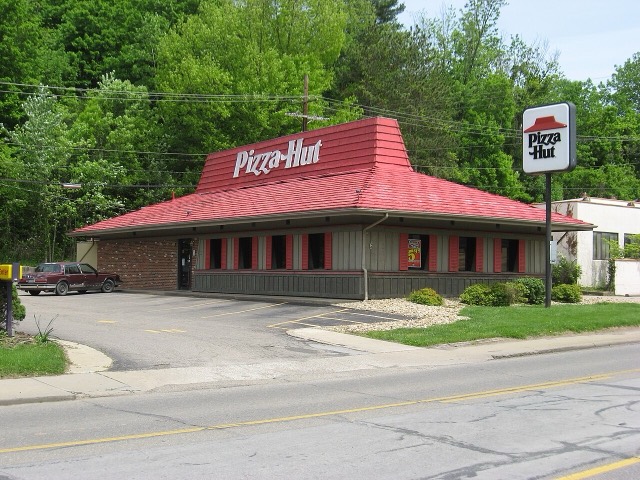
Pizza Hut is one of the oldest and largest pizza chains on earth, founded in 1958 in Wichita, Kansas by brothers Dan and Frank Carney. It now operates roughly 18,000+ locations across 100+ countries and is owned by Yum! Brands, the same conglomerate that controls KFC and Taco Bell. At its peak, it was the undisputed king of American pizza.
But “peak” is the operative word. Pizza Hut has been shedding U.S. locations at a notable pace, battling a brutal combination of delivery-app competition, franchise operator bankruptcies, and a customer base that increasingly sees it as overpriced for what it delivers. The brand’s money story is one of corporate extraction, franchise stress, and a slow reckoning with relevance.
People search for Pizza Hut in the “money” category for very specific reasons: they want to know why a large pepperoni suddenly costs $20+, whether their local buffet still exists, what it takes to buy a franchise, and, crucially, whether their nearest location is still open at all. These are not abstract questions; they reflect real anxiety about a brand quietly contracting while still charging premium prices.
The buffet question alone tells you everything. The all-you-can-eat lunch buffet was Pizza Hut’s cultural signature for decades. Its widespread disappearance post-COVID is a microcosm of the brand’s broader retreat from the value proposition that made it a household name. What’s left is a delivery-heavy model competing against Domino’s, Papa John’s, and a thousand local independents, with prices that no longer feel justified by the experience.