Netflix - People also ask
Netflix prints money, raises prices, and still has 270 million subscribers who keep paying, here's everything the company won't put in its own FAQ.
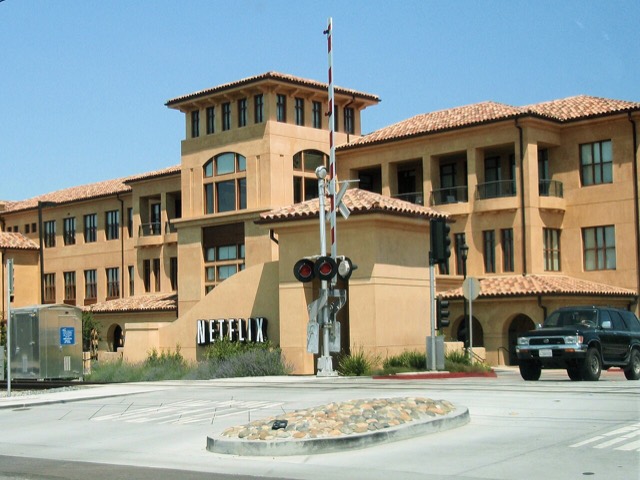
Netflix is the world’s dominant subscription video-on-demand service, offering films, TV series, documentaries, stand-up specials, and, more recently, mobile games. Founded in 1997 as a DVD-by-mail company and relaunched as a streaming platform in 2007, it now operates in over 190 countries and produces more original content per year than most national broadcasters.
People search for Netflix constantly because the product touches everyday life: what to watch tonight, how much it costs, whether a cheaper plan exists, and what its cultural slang actually means. It is also a brand with a habit of quietly raising prices, killing cheap tiers, and introducing ads, moves that generate real frustration and a flood of questions.
Netflix’s business model is built on subscriber growth and content spend. It has invested tens of billions of dollars in original programming, which is why your bill keeps climbing. The company is publicly traded (NASDAQ: NFLX), co-founded by Reed Hastings and Marc Randolph, and has shifted from scrappy disruptor to a media giant with the same pricing power it once threatened in legacy studios.
Understanding what Netflix offers, and what it quietly takes away, requires reading the fine print the brand glosses over in its marketing. This page covers the real questions, with straight answers.