Louis Vuitton - People also ask
Louis Vuitton is the world's most recognizable luxury brand, and also the most copied, most debated, and most reluctant to answer the questions people actually have about it.
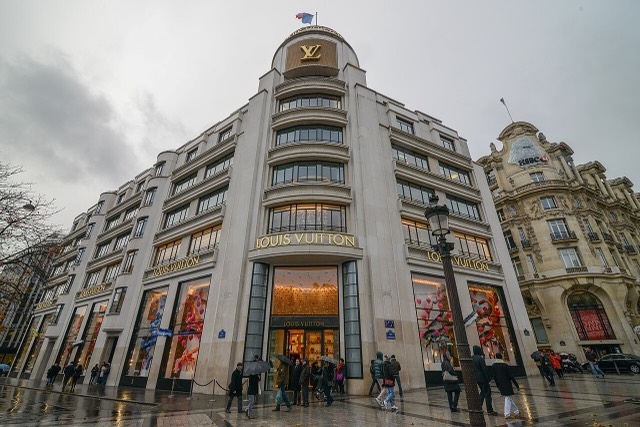
Louis Vuitton started in 1854 as a Parisian trunk-maker serving the French aristocracy. Today it is the flagship brand of LVMH, the world’s largest luxury conglomerate, and it generates more revenue than almost any other single luxury label on the planet. The monogram canvas, first introduced in 1896, is now one of the most recognizable patterns in human history, for better or worse.
The brand occupies a peculiar cultural position: it is aspirational enough to be desired by millions, yet ubiquitous enough to be mocked by fashion purists. That tension drives an enormous amount of search traffic. People want to know if it’s worth it, where to buy it cheapest, and how to tell if what they’re looking at on a street market is real.
LV almost never discounts. It does not hold sales. It does not officially license its name to third parties. These policies are deliberate and central to the brand’s pricing power, and they’re also the reason fakes are everywhere.
What the brand will never tell you openly: the markup on a canvas bag is extraordinary, the “made in France” label can coexist with parts sourced globally, and the resale market sometimes prices certain pieces higher than retail. The gap between cost of production and retail price is one of the most searched, and least answered, questions in luxury.
This page answers the questions Louis Vuitton’s own marketing team would quietly prefer you didn’t ask.