Lindt - People also ask
Lindt stock trades at over CHF 100,000 per share, making it one of the most expensive stocks on Earth, and that price tag perfectly mirrors the brand's deliberate, maddening obsession with exclusivity at every level.
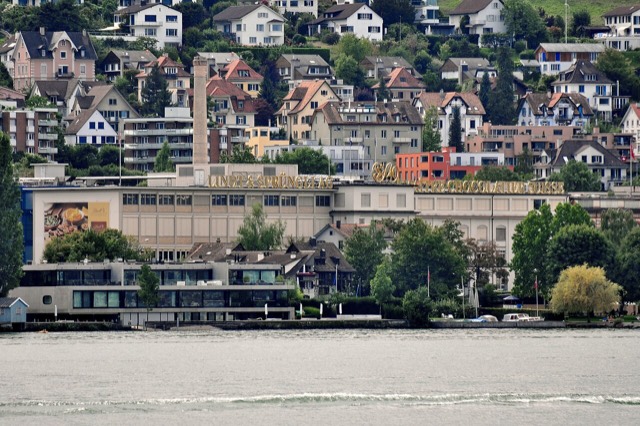
Lindt & Sprüngli is a Swiss chocolatier founded in Zurich in 1845, and it has spent nearly 180 years positioning itself as the premium tier of mass-market chocolate, not artisan bean-to-bar, but undeniably a cut above the candy aisle. Today it owns some of the most recognizable chocolate icons on the planet: the gold-foil bunny, the Lindor truffle ball, and the Ghirardelli brand in the US.
The company is publicly traded on the Swiss Exchange (SIX), but in a way that is almost comically hostile to ordinary investors. Its registered shares routinely trade above CHF 100,000 each, not because the underlying business is worth trillions, but because Lindt has never split the stock. That is a deliberate choice to filter who sits at the ownership table.
People search for Lindt constantly because it sits in a curious middle zone: expensive enough to feel like a treat or a gift, accessible enough to be sold in airports and grocery stores worldwide. That paradox, luxury positioning, mass distribution, is exactly the business model, and it raises real questions about what you are actually paying for.
The brand is not without controversy. Questions swirl around supply-chain ethics, cocoa sourcing, and whether “Swiss chocolate” is a meaningful quality signal or simply brilliant marketing. These are questions Lindt’s own press office will never lead with, so we will.