Lidl - People also ask
Lidl is the discount supermarket empire the Schwarz family built in near-total secrecy, and it's now one of the most powerful retailers on the planet.
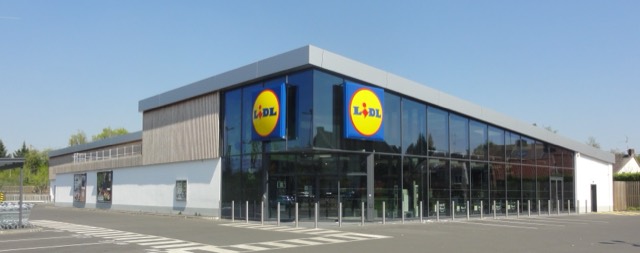
Lidl is a German hard-discount supermarket chain headquartered in Neckarsulm, Baden-Württemberg. It operates more than 12,000 stores across roughly 30 countries in Europe and the United States, making it one of the largest retailers in the world by store count. It sits under the umbrella of the Schwarz Group (Schwarz Gruppe), which also owns the hypermarket chain Kaufland, making the group the largest retail conglomerate in Europe.
The brand is famously tight-lipped about its finances, ownership structure, and supply chain. The Schwarz family does not give interviews, does not publish consolidated group accounts voluntarily, and has spent decades keeping the mechanics of a €100+ billion-a-year business almost entirely out of the public eye. That opacity is precisely why search engines light up with questions about who really owns Lidl, who makes its products, and what the name even means.
People also flock to Lidl because of its “middle aisle” Specialbuys, a rotating weekly selection of non-grocery items (tools, sportswear, garden furniture) that sell out fast and generate genuine excitement. Questions like “what Lidl week is it?” reflect a devoted community of shoppers who track these drops the way sneakerheads track Nike releases.
On the money side, Lidl’s pricing strategy has forced every major supermarket in its operating markets to respond. In the UK alone, its rise (alongside Aldi’s) reshaped the entire grocery industry and cost the “Big Four”, Tesco, Sainsbury’s, Asda, Morrisons, billions in lost market share. That financial clout, combined with secretive ownership, makes Lidl endlessly fascinating from a money and business perspective.