L'Oréal - People also ask
L'Oréal is the world's biggest beauty empire, and the questions people Google most reveal exactly what the brand's own marketing team would rather you didn't ask.
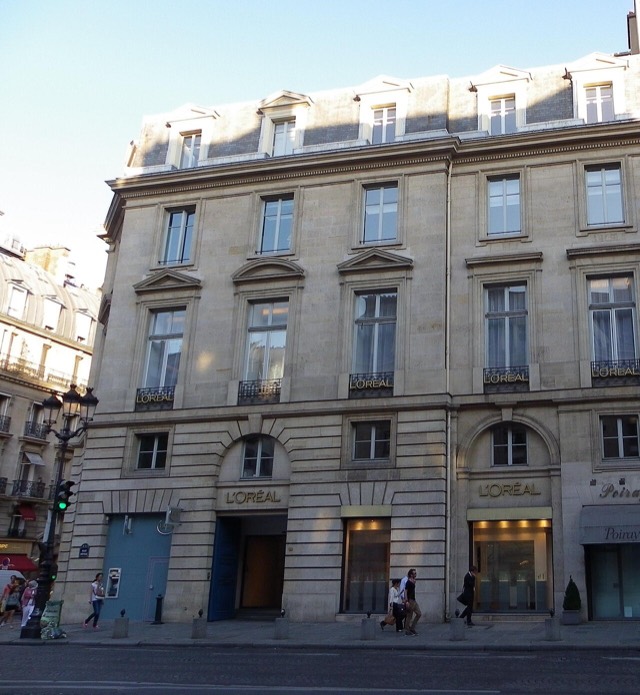
L’Oréal was founded in France in 1909 by chemist Eugène Schueller, who invented a synthetic hair dye and built a global juggernaut from it. Today, L’Oréal Group is the largest cosmetics company on the planet, with roughly 37 brands spanning haircare, skincare, makeup, fragrance, and dermatological products, including household names like Maybelline, Garnier, NYX, Kérastase, La Roche-Posay, and CeraVe.
The group operates across five major divisions: L’Oréal Paris (mass market), L’Oréal Professionnel (salon), Luxe (high-end), Active Cosmetics (pharmacy/derm), and Dermatological Beauty. This matters because “L’Oréal” means very different things depending on which shelf you’re buying from, a €5 drugstore shampoo and a €90 serum can both carry the logo.
Despite its scale, L’Oréal sits at the center of persistent consumer debates: animal testing policies (particularly in markets like China), ownership transparency, boycott campaigns, and whether “derm-recommended” claims hold up to scrutiny. These aren’t fringe concerns, they’re among the most-Googled questions about the brand worldwide.
The ownership question alone is a rabbit hole. The Bettencourt Meyers family (heirs to founder Schueller) controls the largest single stake, Nestlé holds a significant chunk, and the rest is publicly traded on Euronext Paris. That means the “French beauty brand” is partly Swiss-food-giant-owned, which is not something you’ll find on the bottle.