H&M - People also ask
H&M sells you the dream of cheap fashion, but the real cost, from supply-chain scandals to quality questions, is something the brand's marketing team will never put on a price tag.
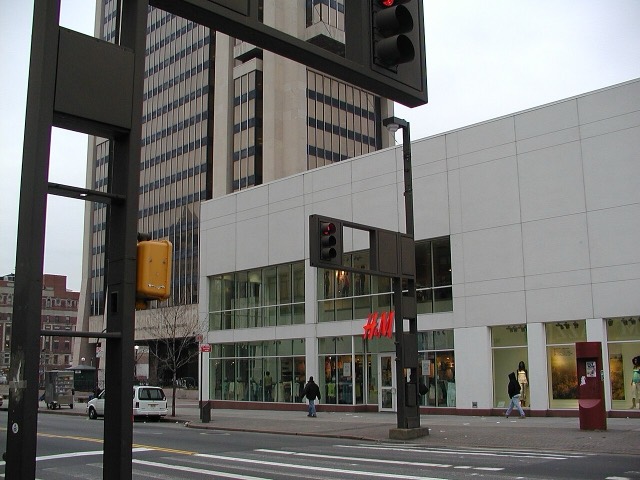
H&M (Hennes & Mauritz) is a Swedish multinational fast-fashion retailer founded in 1947, currently one of the largest clothing chains on the planet with roughly 4,300 stores across 75+ markets. It built its empire on a simple promise: trend-led clothing at accessible prices, updated at breakneck speed. That promise has made it a household name, and a lightning rod for controversy.
The brand sits at a strange intersection of “affordable” and “aspirational,” constantly collaborating with luxury designers and celebrities while pricing most items under $50. That tension is exactly why people search for it obsessively, they want to know if the deal is real, or if there’s a catch buried in the seams.
H&M has faced repeated, well-documented scrutiny over labor practices, environmental claims, and racial controversies, most famously a 2018 ad that sparked a global backlash and store vandalism in South Africa. The company has pledged various sustainability initiatives, but watchdog groups and investigative journalists have consistently challenged how meaningful those pledges are.
From a financial angle, H&M is publicly traded on the Nasdaq Stockholm exchange (ticker: HM-B). Its revenue runs in the hundreds of billions of Swedish kronor annually, yet profit margins have been squeezed by competition from ultra-fast rivals like Shein and Zara. The brand is not going anywhere, but it is fighting harder than ever to stay relevant in a market it helped create.