← BRANDS
datastats / Culture
LIVE
Culture

Gymshark

Gymshark went from a teenager screen-printing gym kit in his garage to a billion-pound fitness-wear brand built almost entirely on social media.
By · datastats · Updated June 13, 2026
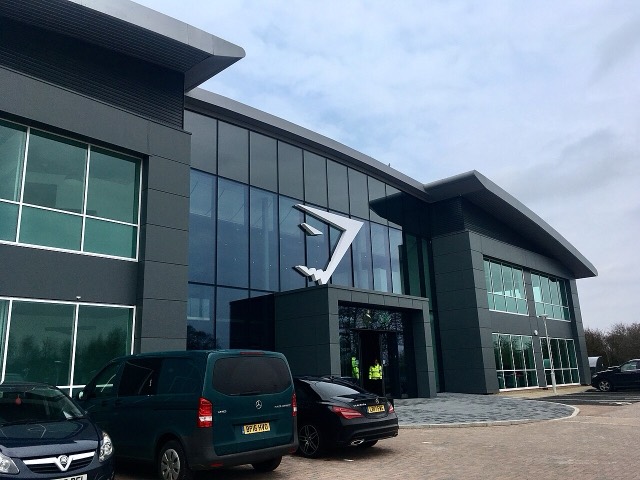
Gymshark
daylon · CC BY-SA 4.0

Gymshark is one of the great modern brand stories: Ben Francis started it in 2012 at 19, hand-printing gym clothes in his garage in the English Midlands, and grew it into a billion-pound fitness-wear company within a decade. Its rocket fuel was social media, it built a huge young audience through fitness influencers and Instagram long before that was the norm, selling direct online rather than through shops.

People search Gymshark to decide whether to buy and how it compares: who owns it (still the founder), whether the quality justifies the price, whether it runs small (it does), and how it stacks up against Lululemon. Direct answers below, based on widely reported information; product ranges, sizing and prices change, so check Gymshark for current details.

People also ask

Ben Francis. He founded Gymshark in 2012 in the UK when he was 19, screen-printing and sewing gym clothes in his parents' garage while working a pizza-delivery job. He is still the majority owner and CEO. In 2020 the US investment firm General Atlantic bought a minority stake (around 21%) in a deal that valued Gymshark at over 1 billion pounds, but Francis kept control. So it's founder-led, not owned by a big fashion conglomerate.

For its core gym wear, generally yes. Leggings, shorts, and training tops like the Vital and Adapt ranges are popular for fit, squat-proof fabric, and a flattering look at a mid-range price, cheaper than Lululemon, pricier than supermarket activewear. It's not built to be premium-luxury, and some pieces wear out faster than top-tier rivals, but for the price the bestsellers are well regarded by gym-goers. It's a solid mid-market choice, not a luxury one.

Yes, this is the single most common complaint and warning. Gymshark is known for a tight, fitted cut, much of its clothing is designed to be snug and compressive, so a lot of shoppers size up, especially in leggings and tops. The brand has improved its size range over time, but the reputation for running small is real. The standard advice is to check the size guide and reviews for the specific item, and consider sizing up if you want a looser fit.

Gymshark is a British brand (based in Solihull, England) but, like nearly all large activewear labels, it manufactures abroad through third-party factories, much of its production is in countries like China and elsewhere in Asia. The design, brand and headquarters are UK-based; the garments themselves are made overseas, which is standard for clothing at this scale. Exact factory details aren't always front-and-centre.

It's a mixed and debated picture. Gymshark publishes commitments around responsible sourcing and has sustainability lines and goals, but like most fast-growing activewear brands it relies on overseas manufacturing and synthetic fabrics, and ethical-fashion reviewers tend to rate it as 'making progress' rather than a leader. If ethics and sustainability are your top priority, it's worth reading its latest published reports rather than taking the marketing at face value, it's neither a villain nor a standout here.

They target different shoppers. Gymshark is cheaper, gym-and-bodybuilding focused, and built a young audience through fitness influencers and social media. Lululemon is premium-priced, rooted in yoga and athleisure, with a reputation for very durable, high-quality fabrics and a more lifestyle feel. If you want serious-training gear at a friendlier price, Gymshark; if you want premium fabric and athleisure you'll wear everywhere and don't mind paying for it, Lululemon. Quality-per-pound, Gymshark often wins; outright quality, Lululemon usually edges it.

Yes. The 2020 deal with General Atlantic valued Gymshark at more than 1 billion pounds, making it one of the UK's most valuable young companies and turning founder Ben Francis into a paper billionaire (most of his wealth is his Gymshark stake, not cash). It's a genuine 'unicorn' success story, especially striking given it started with a teenager and a garage rather than big outside funding.

Related topics
Culture Trending now
Taylor Swift and Travis Kelce Wedding 2026
Culture Trending now
Why Labubu is suddenly everywhere
Culture Trending now
The Odyssey (Christopher Nolan)
Culture Trending now
KPop Demon Hunters
Culture Trending now
House of the Dragon Season 3
Culture People
Adam Curry
Culture People
Adam Sandler
Culture People
Andrew Huberman