Gucci - People also ask
Gucci sells aspiration at a markup most brands can't justify, and the world keeps buying anyway.
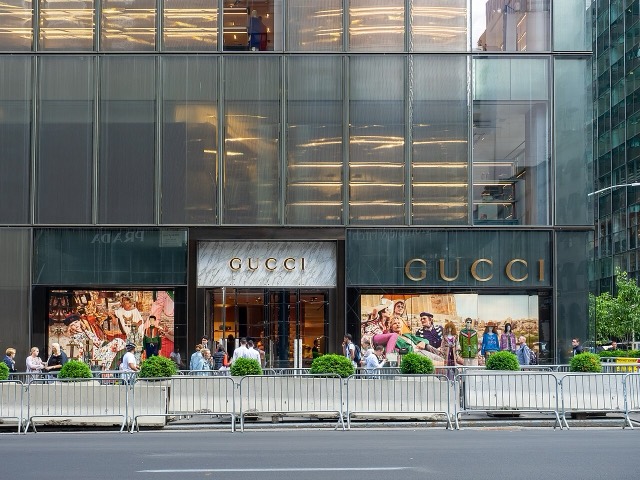
Gucci is one of the most recognized luxury fashion houses on the planet. Founded in Florence, Italy in 1921 by Guccio Gucci, it built its empire on leather goods, the iconic GG monogram, and a relentless association with celebrity and status. Today it operates under the Kering Group and generates billions in annual revenue, even as it navigates creative reinventions and the occasional family murder plot.
People ask about Gucci for wildly different reasons. Some want to know if that bag is worth the credit card damage. Others are drawn to the true-crime saga of Patrizia Reggiani, who orchestrated the assassination of her ex-husband Maurizio Gucci in 1995. And a non-trivial slice of searchers are actually asking about rapper Gucci Mane, whose life story, prison, weight loss, marriage, and viral internet memes, is a cultural phenomenon entirely separate from the fashion house.
Then there’s the persistent, practical anxiety: is this real or fake? Gucci is one of the most counterfeited brands in the world, which means millions of people are actively trying to figure out whether what they’re holding is genuine. The brand itself is not exactly rushing to make authentication easy for the average consumer.
This page cuts through all of it, the pricing, the people, the folklore, and the fakes, with the answers Gucci’s own PR team would never put on their website.