Gap - People also ask
Gap is a 1969 American retail icon that built a denim empire on the promise of effortless cool, and has spent the last two decades trying to remember what that felt like.
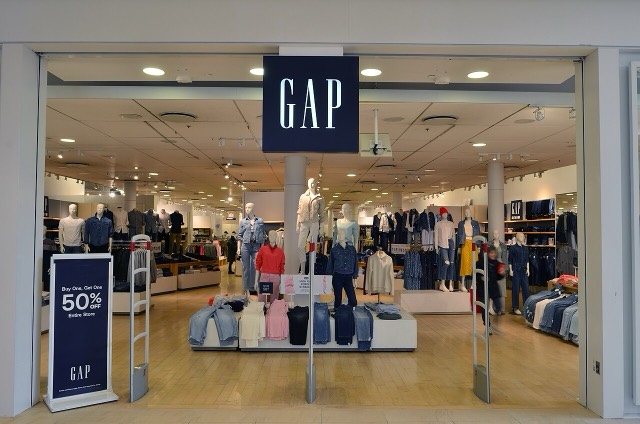
Gap Inc. was founded in 1969 by Donald and Doris Fisher in San Francisco, originally selling Levi’s jeans and records to young Americans who didn’t fit into department-store culture. The name “Gap” was a direct nod to the generation gap, a sly acknowledgment that the brand existed precisely because parents and kids lived in different worlds. It grew into one of the most recognizable retail chains on the planet, eventually birthing Old Navy, Banana Republic, and Athleta under its corporate umbrella.
At its peak in the late 1990s, Gap was the definition of mainstream cool: the logo hoodie, the khaki ad campaigns, the Sarah Jessica Parker TV spots. Then came the 2000s, a string of creative misfires, and a brutal reckoning with fast fashion. The brand spent years closing stores, rotating CEOs, and chasing trends it used to set.
Today, Gap is in a cautious revival mode, leaning on nostalgia, collaborations, and a renewed focus on its core denim identity. It’s a brand people have complicated feelings about: too corporate for the cool kids, too fashion-forward for the basics crowd, perpetually stuck in the middle.
This Q&A page tackles the real questions people are searching for, from Gap’s founding history and its gap certificate requirements to the sprawling cultural questions that land here because the internet, much like Gap itself, contains multitudes.