Ford - People also ask
Ford bet the entire company on trucks and SUVs, killed off its sedans, and lost billions chasing electric cars: the F-150 is the only reason any of it still works.
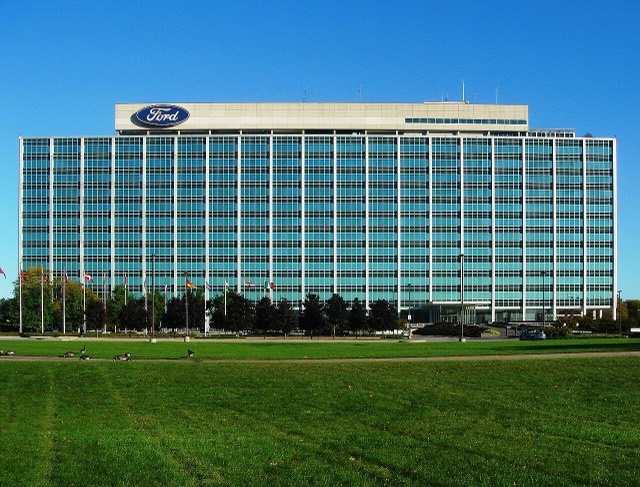
Ford Motor Company is an American automaker founded in 1903 by Henry Ford and headquartered in Dearborn, Michigan. It is one of the oldest car companies on earth, the company that put the world on wheels with the Model T and the moving assembly line, and one of only two of Detroit’s Big Three (alongside no one, really, since GM and Chrysler both went bankrupt) that survived the 2008 crisis without a federal bailout. Today it sells trucks, SUVs, the Mustang, and a shrinking range of electric vehicles, and it is still controlled by the founding family more than 120 years later.
People search Ford for a few very specific reasons: to ask whether it’s reliable, to figure out who actually owns it, and to confirm that it’s still American. The reliability question is the loaded one. Ford sits roughly in the middle of the industry on dependability, well behind Toyota, dragged down by a handful of genuinely bad decisions (the PowerShift transmission being the most notorious) and a recent recall record that leads the entire U.S. market. The trucks are tough; some of the cars were not.
The single fact that explains modern Ford is the F-150. It has been America’s best-selling vehicle for 44 straight years, and it generates the profit that funds everything else the company attempts. When Ford killed its sedans between 2018 and 2020, it was an admission that it could only win where it was already dominant: trucks, SUVs and crossovers. That bet has paid off on the truck side and backfired badly on the electric side, where the Model e division has lost over 16 billion dollars and forced Ford to halt the F-150 Lightning and retreat toward hybrids.
So the honest picture of Ford in 2026 is a company split in two. One half (the trucks and commercial vehicles) is a profit machine with a near-monopoly on American loyalty. The other half (electric) is a money pit that Ford is actively shrinking. The Ford family’s voting control means no activist investor can force a quick fix, for better or worse. The questions people ask reflect exactly this tension: is it reliable, is it American, is it in trouble, and which models do you actually buy. This page answers them without the Blue Oval marketing gloss.