easyJet - People also ask
easyJet sells the dream of cheap travel, but the real cost, in hidden fees, cancellations, and cramped cabins, is a story the orange brand won't put in its own press releases.
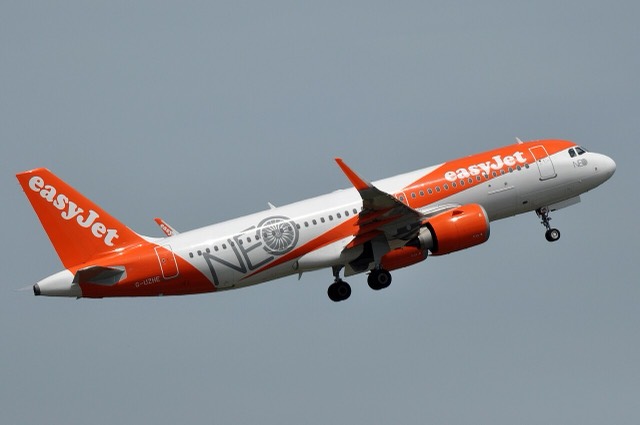
easyJet is one of Europe’s largest low-cost carriers, founded in 1995 by Sir Stelios Haji-Ioannou and headquartered at London Luton Airport. It operates hundreds of routes across Europe, North Africa, and the Middle East, carrying roughly 80–90 million passengers a year at its pre-pandemic peak. The airline built its empire on a simple promise: strip out the frills, slash the price, fill every seat.
The “low-cost” label is where most of the friction begins. Passengers who book on headline fares regularly discover that bags, seat selection, and flexibility cost extra, sometimes doubling the original ticket price. That gap between advertised price and real-world cost is the single biggest reason easyJet floods search engines with questions about fees, baggage rules, and whether the whole thing is actually worth it.
easyJet has also had its share of genuine crises. A major 2017 data breach exposed the personal data of nine million customers, leading to regulatory scrutiny and legal action. Operational meltdowns, most visibly in summer 2022, saw thousands of flights cancelled, stranding passengers across Europe and triggering widespread media coverage and compensation claims.
On ownership and governance, the company is publicly listed on the London Stock Exchange (ticker: EZJ). Founder Stelios Haji-Ioannou has historically held a significant stake and has clashed very publicly with the board over strategy, a corporate soap opera that keeps analysts and journalists busy. The airline is not “owned” by any single entity in the traditional sense; it’s a plc with dispersed shareholders.
Understanding easyJet means separating two things: its safety record (genuinely solid) from its customer experience record (genuinely patchy). Those are not the same question, and conflating them is how the brand gets away with a lot.