Domino's - People also ask
Domino's is the world's largest pizza chain by revenue, and its maze of rotating deals is so confusing that customers are Googling individual price points just to figure out what they're actually allowed to order.
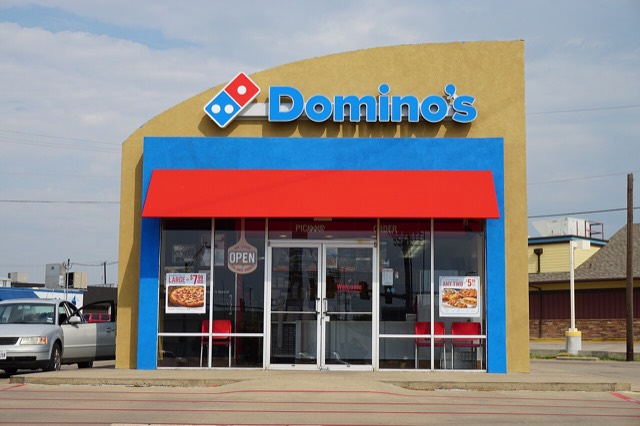
Domino’s Pizza is a publicly traded American multinational (NYSE: DPZ) founded in 1960 in Ypsilanti, Michigan. With over 20,000 locations across 90+ countries, it consistently battles Papa John’s and Pizza Hut for the title of most dominant pizza brand on the planet, and by most revenue metrics, it wins. It’s a franchise-heavy operation: over 95% of its stores are independently owned and operated under the Domino’s banner.
The brand’s business model is built as much on technology and delivery logistics as it is on pizza. Domino’s was an early mover on online ordering and GPS delivery tracking, and it leans hard into digital promotions. That’s why its app and loyalty program, Domino’s Rewards, are central to almost every deal it offers. If you’re not ordering through the app or website, you’re likely leaving money on the table.
The deal structure is where things get messy, and intentionally so. Domino’s layers national promotions, regional franchisee offers, and app-exclusive pricing in a way that makes it nearly impossible to know what you’ll actually pay without going through checkout. Prices also vary by location because franchisees set their own prices within guidelines. A “$5.99 deal” in one city may not exist, or may cost more, thirty miles away.
People are searching these price points because Domino’s markets aggressively but communicates pricing vaguely. The brand plasters deals in ads without always spelling out the terms, restrictions, or the fact that a particular offer may have already expired or only applies to specific crust types and sizes. This page cuts through that noise with what’s actually documented.