Dior - People also ask
Dior sells a dream, and charges accordingly, with prices that have quietly doubled in a decade while the quality debate rages louder than ever.
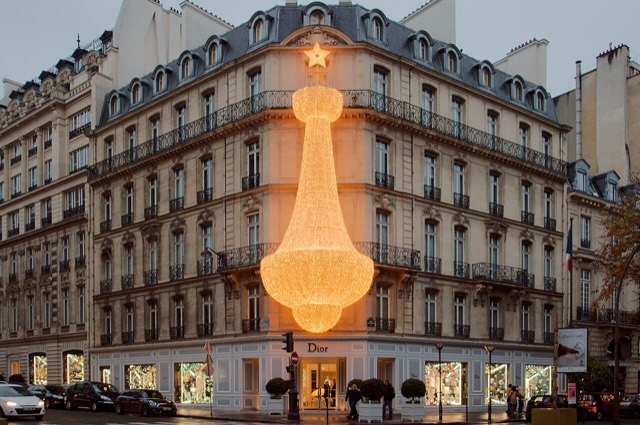
Christian Dior is one of the most recognisable luxury fashion houses on the planet. Founded in Paris in 1946, it launched the “New Look” silhouette in 1947 and never stopped shaping what “luxury” means to the global consumer. Today, the brand sits under the LVMH conglomerate, the world’s largest luxury group, and covers everything from haute couture and ready-to-wear to handbags, shoes, beauty, and fragrance.
People search for Dior relentlessly because it straddles two worlds: genuine high fashion with a deep archival heritage, and a mass-aspirational brand sold in airports and department stores worldwide. That tension is exactly what fuels the questions, is it worth the price? Is it actually exclusive? How do you tell real from fake?
The fragrance line, led by Dior Sauvage, is arguably Dior’s most culturally contested product right now. It is one of the best-selling men’s fragrances in the world, which is precisely why it attracts both devotion and fierce mockery in equal measure. Being ubiquitous and being luxury are, by definition, in conflict.
Meanwhile, Dior’s handbag prices have climbed aggressively, the Lady Dior bag, for example, has seen price increases well above inflation since the early 2010s, prompting serious scrutiny of whether the brand is selling craftsmanship or just clout. That is the question Dior’s own marketing will never answer honestly, so we will.