Converse - People also ask
Converse is one of the most iconic sneaker brands on the planet, and also one of the most misunderstood, overpriced, and podiatrically disastrous shoes you'll ever love.
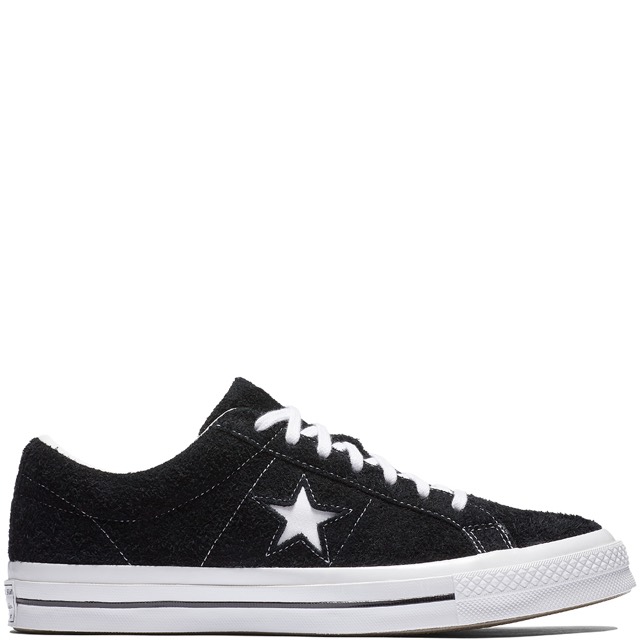
Converse has been around since 1908, built its legend on a canvas basketball shoe called the Chuck Taylor All Star, and somehow convinced the entire world that flat rubber soles and zero arch support are a personality. Originally a genuine performance basketball shoe worn by Olympians and pros, the Chuck Taylor became a cultural artifact long before it became a fashion staple, punk rockers, artists, athletes, and teenagers all claimed it as their own.
The brand was acquired by Nike Inc. in 2003 for $305 million, a move that gave Converse access to Nike’s global supply chain, marketing muscle, and retail dominance, while keeping the Converse brand deliberately separate and “indie-feeling.” That tension between authentic heritage and corporate ownership is exactly what makes people suspicious, and exactly why the questions keep piling up.
Today Converse sells hundreds of millions of pairs a year, operates as a wholly owned Nike subsidiary, and still manufactures the vast majority of its shoes overseas, primarily in countries like Vietnam, China, and Indonesia. Prices have crept up significantly over the past decade, even as the core product has barely changed, which is precisely what sends consumers to search engines looking for answers.
There’s also a persistent linguistic confusion: the word “converse” means to have a conversation, which leads to a flood of searches mixing up the brand with the verb, and spawning the great American grammar debate over “conversate.” This page untangles the shoe from the word, the myth from the marketing, and the style from the (alarming lack of) science.