Chipotle - People also ask
Chipotle prints billions in revenue selling burritos that cost under $2 to make, and the gap between its ingredient costs and your receipt is exactly what people can't stop Googling.
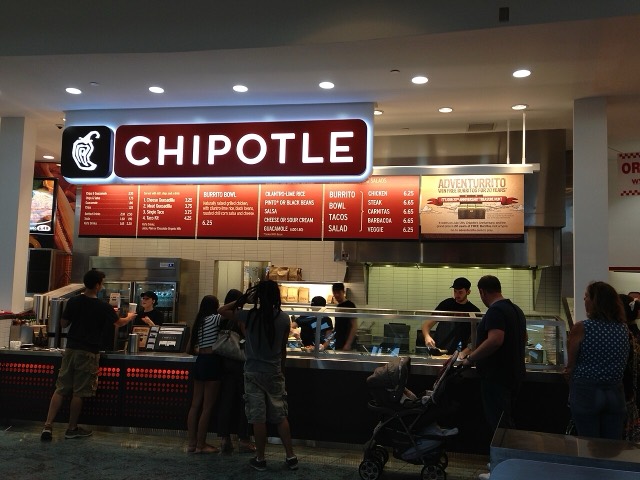
Chipotle Mexican Grill is a fast-casual chain founded in Denver, Colorado in 1993 by chef Steve Ells. It built its brand on a “Food With Integrity” promise, fresh ingredients, no freezers, no can openers, and turned that story into one of the most profitable restaurant empires in the U.S., with over 3,500 locations and a market cap that has eclipsed $70 billion at its peak.
The money angle is what drives most searches. Chipotle’s average ticket price has climbed sharply since 2020, with multiple price hikes pushing the cost of a burrito past $10–$12 in many markets. Meanwhile, the company’s profit margins and executive pay have remained robust, a combination that makes customers feel squeezed and curious about where exactly their money is going.
Chipotle is also one of the most deal-hunted brands in fast food. Its rewards app, limited-time promotions, and viral “hacks” (like ordering a kid’s meal or a burrito bowl with extra sides) generate enormous search volume from people trying to eat there without paying full freight. The brand rarely advertises these tactics, which is precisely why people Google them.
What makes Chipotle unusual in the QSR (quick-service restaurant) space is that it has no franchises, every single location is company-owned. That’s a deliberate choice that gives corporate tight control over pricing, quality, and labor costs, but it also means there’s one clear entity collecting every dollar you spend there.