Chevrolet - People also ask
Chevrolet is General Motors' volume brand and the most American name in the business: built on trucks, icons like the Corvette, and the idea of a car for every purse and purpose.
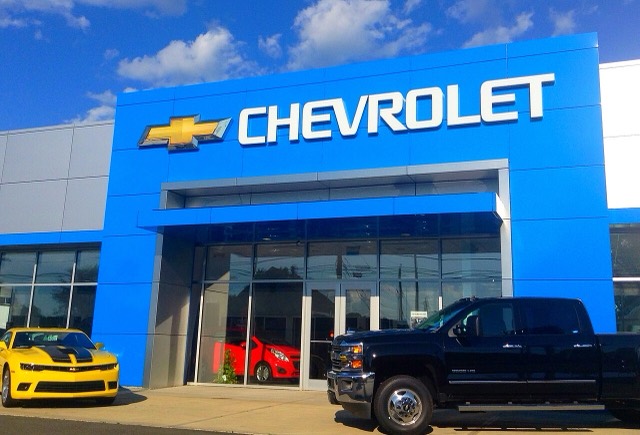
Chevrolet is General Motors’ volume division, founded in Detroit in 1911 by racing driver Louis Chevrolet and GM founder William C. Durant. More than a century later it sits at the centre of American car culture, the brand most people picture when they think of a US carmaker. Its lineup runs from the Silverado pickup and Suburban SUV to the Corvette supercar, sold under the gold bowtie that is one of the most recognised emblems in the industry.
People search Chevrolet for two very different reasons. Americans want to know which truck or SUV to buy and how reliable it really is. Everyone else, especially in Europe, often searches out of cultural curiosity: the Corvette and the now-retired Camaro are global icons, even though you can no longer buy a mainstream Chevy across most of Western Europe after GM pulled the brand from the region by 2016.
The honest picture is a brand of strengths and gaps. Chevrolet’s trucks and full-size SUVs are proven, durable, and backed by an enormous parts and dealer network in North America. But it rarely tops the independent reliability charts the way Toyota does, and its move into electric vehicles on GM’s Ultium platform, the Equinox EV, Blazer EV, Silverado EV, and a relaunched Bolt, has been competent but not flawless, with early software and build-quality complaints.
What ties it all together is value and identity. Chevrolet was built on Alfred Sloan’s idea of “a car for every purse and purpose,” and that DNA still shows: lots of capability for the money, a model for nearly every American buyer, and a heritage, from the small-block V8 to the Corvette, that money cannot easily buy. This page answers what people actually ask about Chevrolet, without the dealer-brochure gloss.