Burger King - People also ask
Burger King sells billions in burgers every year, but the parent company's debt pile, shifting prices, and a rotating door of "deals" leave customers more confused than satisfied.
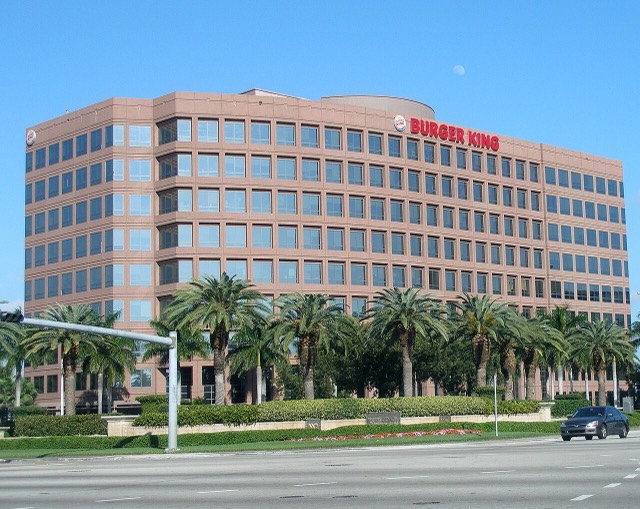
Burger King is the world’s second-largest burger chain by locations, with roughly 19,000 restaurants across 100+ countries. It’s owned by Restaurant Brands International (RBI), a Canadian holding company that also controls Tim Hortons and Popeyes. RBI is itself majority-controlled by Brazilian private equity firm 3G Capital, the same ruthless cost-cutters behind the Kraft Heinz disaster.
People search for Burger King’s financials and deals for a simple reason: the brand constantly runs limited-time promotions, then quietly pulls them, leaving customers hunting for prices that may no longer exist. Whopper Wednesday, the $3.99 Whopper, the 2-for-$5 mix-and-match, these deals appear, disappear, and resurface without warning, creating a perpetual fog of confusion.
The money angle is real. RBI carried over $13 billion in long-term debt as of recent filings, and that pressure flows downstream, into franchise fees, menu prices, and the slow erosion of the value deals that built Burger King’s loyal base in the first place. When a corporation is servicing that kind of debt, the dollar menu is always the first casualty.
Burger King also sits in an awkward competitive position: too expensive to beat McDonald’s on value, not premium enough to beat Shake Shack on quality. That middle-of-the-road trap is the core of every “why is BK failing?” search you see online, and it’s a legitimate question the brand’s own PR will never answer directly.