Bershka - People also ask
Bershka is Inditex's bet on youth culture, cheaper than Zara, trendier than a flea market, and completely invisible in the United States.
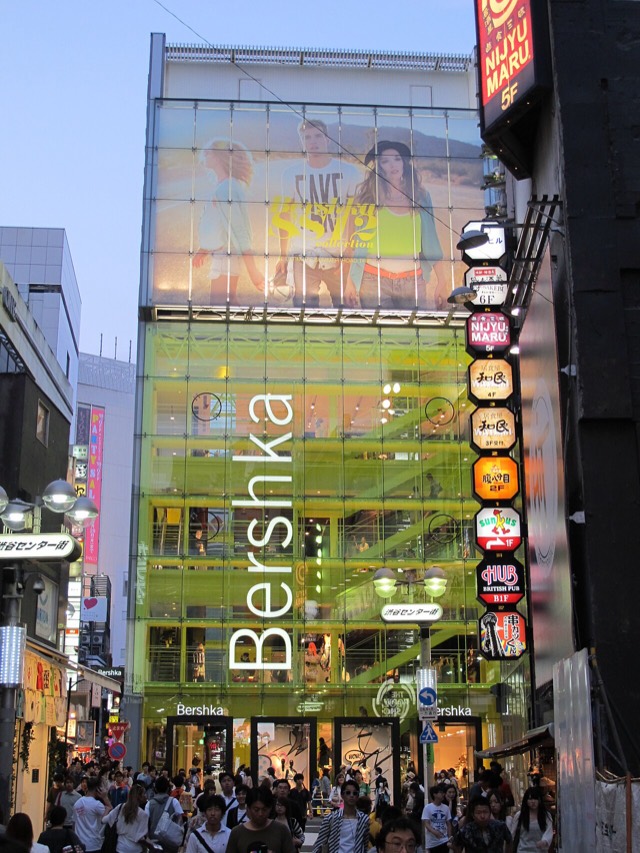
Bershka is a fast-fashion brand owned by Inditex, the Spanish retail giant behind Zara, Pull&Bear, Massimo Dutti, and several others. It was launched in 1998 specifically to chase a younger, more streetwear-leaning customer than Zara was capturing, think club fits, oversized hoodies, and Y2K revivals at prices that don’t require a second thought. Today it operates over 1,000 stores across Europe, Asia, and Latin America, plus a robust e-commerce platform.
What makes Bershka interesting, and slightly controversial, is its dual identity. On one hand, shoppers complain it’s surprisingly pricey for what you get. On the other, it gets dismissed as a cheap throwaway brand in the same breath. Both criticisms are valid, and they point to the same truth: Bershka lives in an awkward price-quality middle ground that fast fashion has made its natural habitat.
The brand has a strong cultural footprint in Europe and Latin America but is essentially a ghost in the United States, where it pulled out of the market and never mounted a meaningful return. That absence fuels a steady stream of searches from American shoppers who discover the brand online and then can’t figure out why they can’t buy it.
People also ask about Bershka because the Inditex family tree confuses everyone. Zara is the famous one, so shoppers assume everything else is either a Zara sub-brand or a knockoff. Bershka is neither, it’s a sibling, not a child. Understanding that distinction explains a lot about how it’s priced, sized, and positioned.