Balenciaga - People also ask
Balenciaga sells a $1,800 trash bag with a straight face, and the fashion world keeps buying it, which tells you everything about who really holds the power in luxury.
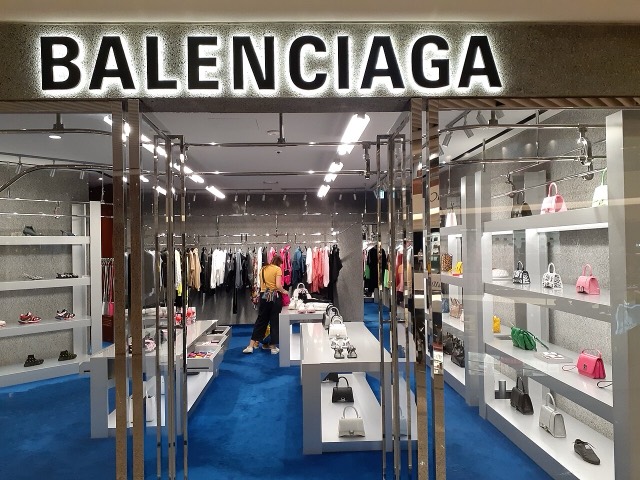
Balenciaga is a Spanish-origin, Paris-based luxury fashion house that has spent over a century oscillating between revered couture institution and internet’s favorite punchline. Founded by Cristóbal Balenciaga in 1919, the house today operates under the Kering conglomerate and is creatively steered by Georgian designer Demna (formerly Demna Gvasalia). It is one of the most Googled luxury brands on the planet.
People search for Balenciaga constantly, and not always for the reasons the brand’s PR team would prefer. The curiosity splits roughly into three camps: genuine shoppers trying to justify a four-figure purchase, streetwear fans obsessing over Triple S sneakers and light-up Tracks, and critics dissecting the brand’s controversies, provocations, and price tags that seem to dare you to say something.
Balenciaga has mastered a very specific trick: making ugliness expensive, then making expensiveness aspirational. The trash bag, the crumpled sneakers, the deliberately distressed hoodies, none of this is accidental. It is a calculated philosophy that the brand inherited from Cristóbal’s structural perfectionism and Demna rewired into post-ironic streetwear maximalism.
The brand has also weathered serious storms. A 2022 advertising controversy sparked global backlash and calls for boycotts, forcing a rare public apology from Demna himself. The episode didn’t kill the brand, Balenciaga’s cultural grip proved resilient, but it permanently added an edge of skepticism to every search query the brand attracts.
So when people ask “is Balenciaga worth it?” or “why is Balenciaga haram?”, they’re not just asking about shoes and bags. They’re asking about power, provocation, and what it means to buy into a brand that seems to actively test how far its customers will follow.