Steam - People also ask
Steam is Valve's iron grip on PC gaming, a near-monopoly marketplace that sets the rules, takes a 30% cut, and quietly shapes what games you can and can't play.
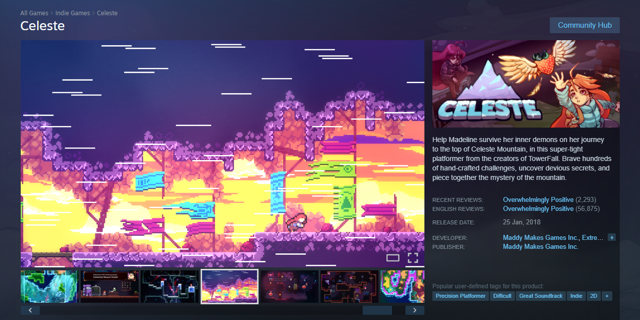
Steam is a digital distribution platform launched by Valve Corporation in 2003. It started as a forced update tool for Valve’s own games and evolved into the dominant PC gaming storefront, now hosting over 50,000 games and boasting more than 130 million active accounts. If you play games on a computer, Steam is almost unavoidable.
What makes Steam uniquely powerful, and uniquely controversial, is its market share. Estimates consistently put Steam at over 70–75% of PC game digital sales. That leverage lets Valve enforce its 30% revenue cut on most developers, a figure that has drawn loud criticism from publishers, indie studios, and regulators alike.
Beyond the storefront, Steam has expanded into hardware: the Steam Deck handheld console, launched in 2022, brought PC gaming to a portable form factor and earned genuine praise. Valve has also built Steam Workshop, Steam Cloud, family sharing, and anti-cheat infrastructure, a walled garden that’s hard to leave once you’re in.
One reason so many people Google “Steam” with very different questions is a classic naming collision: steam cleaning, the domestic and industrial use of pressurized steam, shares the same keyword. A huge chunk of Steam-related searches have nothing to do with gaming at all, and everything to do with upholstery, engines, and tile grout.
Steam’s reach now extends well beyond the desktop, which is why the handheld debate framed as Nintendo Switch 2 vs Steam Deck has become the clearest test of Valve’s open library against Nintendo’s curated ecosystem.