Duolingo - People also ask
Duolingo is the world's most-downloaded language app, beloved by millions, mocked by linguists, and quietly built into a billion-dollar machine that gamifies learning just enough to keep you streaking but maybe not speaking.
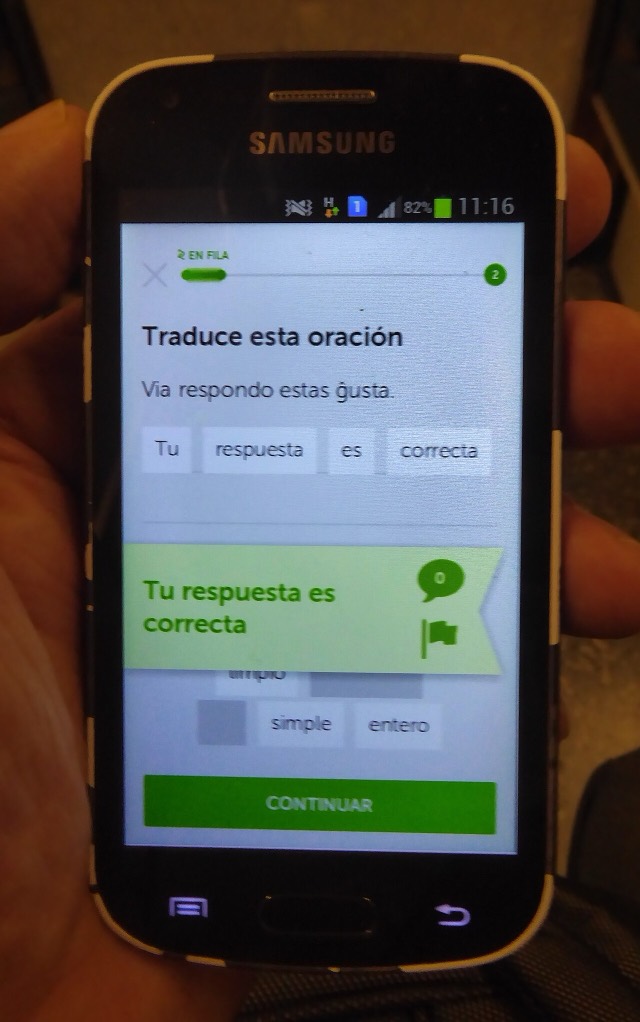
Duolingo launched in 2011, co-founded by Guatemalan computer scientist Luis von Ahn and Severin Hacker at Carnegie Mellon University. The premise was radical for its time: free, bite-sized language lessons powered by gamification, streaks, XP points, leaderboards, and an aggressively passive-aggressive owl named Duo. It became the most-downloaded education app in the world and went public on Nasdaq in 2021.
The app now offers 40+ languages to over 500 million registered users, with revenue driven by its freemium model. The free tier is ad-supported and feature-limited; paid tiers (Super Duolingo and the newer Duolingo Max) remove ads and unlock extras. Despite its ubiquity, the platform sits at the center of a genuine debate: is it a legitimate language-learning tool, or an engagement-optimization machine dressed up as education?
Academics and polyglots have long criticized Duolingo for prioritizing retention metrics over actual fluency. Its own internal research, widely cited but also widely scrutinized, claims learners can reach university-level proficiency, but independent linguists and language teachers tend to be more skeptical. The app is most useful as a habit-builder and supplement, not a standalone path to fluency.
Beyond the pedagogy debate, Duolingo has faced controversies around layoffs, its use of AI-generated content, and its vocal progressive brand identity, particularly its LGBTQ-inclusive course content and social media persona. The brand leans hard into irreverence and culture-war adjacency, which earns it fans and critics in equal measure. That’s by design: Duolingo’s marketing team is as calculated as its product team.